

What if your home could feel a little more like your favourite outdoor space? Think leafy corners, warm wood, soft sunlight, earthy colours and the occasional vase of flowers making an ordinary Tuesday feel slightly more special.
That is the idea behind biophilic décor, a design approach centred on creating a stronger connection between people and nature. You do not need a huge home, a garden or a jungle-sized plant collection to try it. A few thoughtful changes can introduce natural textures, organic shapes, greenery and daylight into your surroundings.
From a simple plant shelf to a cosy green corner, here are 10 easy ways to bring nature indoors.
What Is Biophilic Décor?
Source: pexels
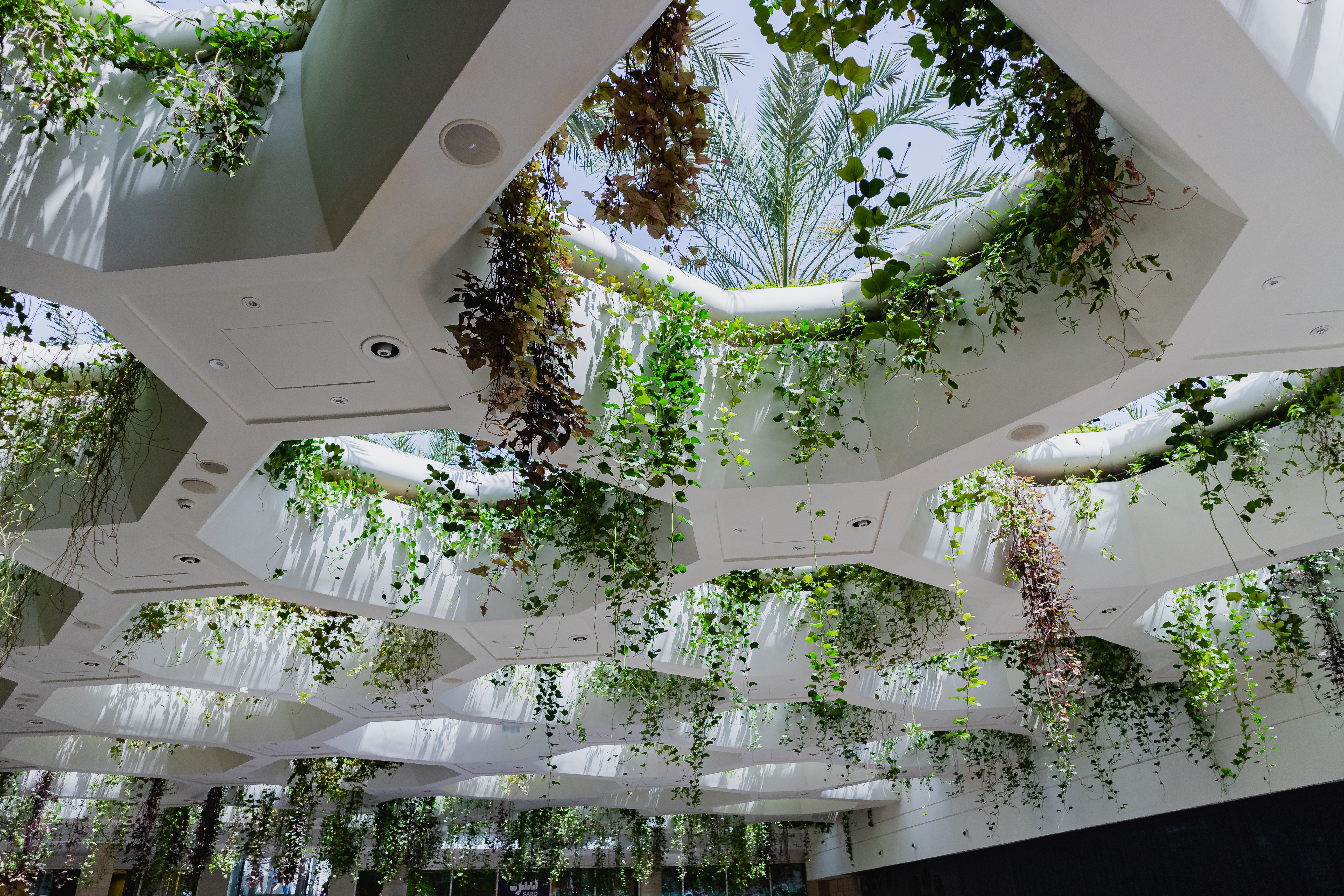
Biophilic décor brings natural elements into a living space to create a stronger visual and sensory connection with nature.
Biophilic design goes beyond decorating a room with plants. It can include natural materials, sunlight, water, organic shapes, nature-inspired colours, textures and patterns.
Key elements include:
- Plants: Greenery adds life and freshness to interiors.
- Natural materials: Wood, bamboo, rattan, stone and jute introduce tactile warmth.
- Natural light: Sunlight helps spaces feel open and connected to the outdoors.
- Water: Small water features can introduce movement and soothing sound.
- Organic shapes: Curves and irregular forms can make interiors feel softer.
- Nature-inspired colours: Greens, browns, beige, blue and terracotta create an earthy palette.
This makes biophilic home decor adaptable to contemporary apartments and traditionally styled houses.
For a simple starting point, explore Indoor Plants that suit your home’s light, available space and maintenance routine. Even one well-positioned plant can change the character of a room without requiring a complete décor makeover.
Flowers can bring another layer of nature into your interiors. Fresh Seasonal Flowers work beautifully on dining tables, bedside tables, coffee tables and entryway consoles, adding colour and a sense of the outdoors with very little effort.
10 Simple Ways to Add Biophilic Décor to Your Home
Source: pexels
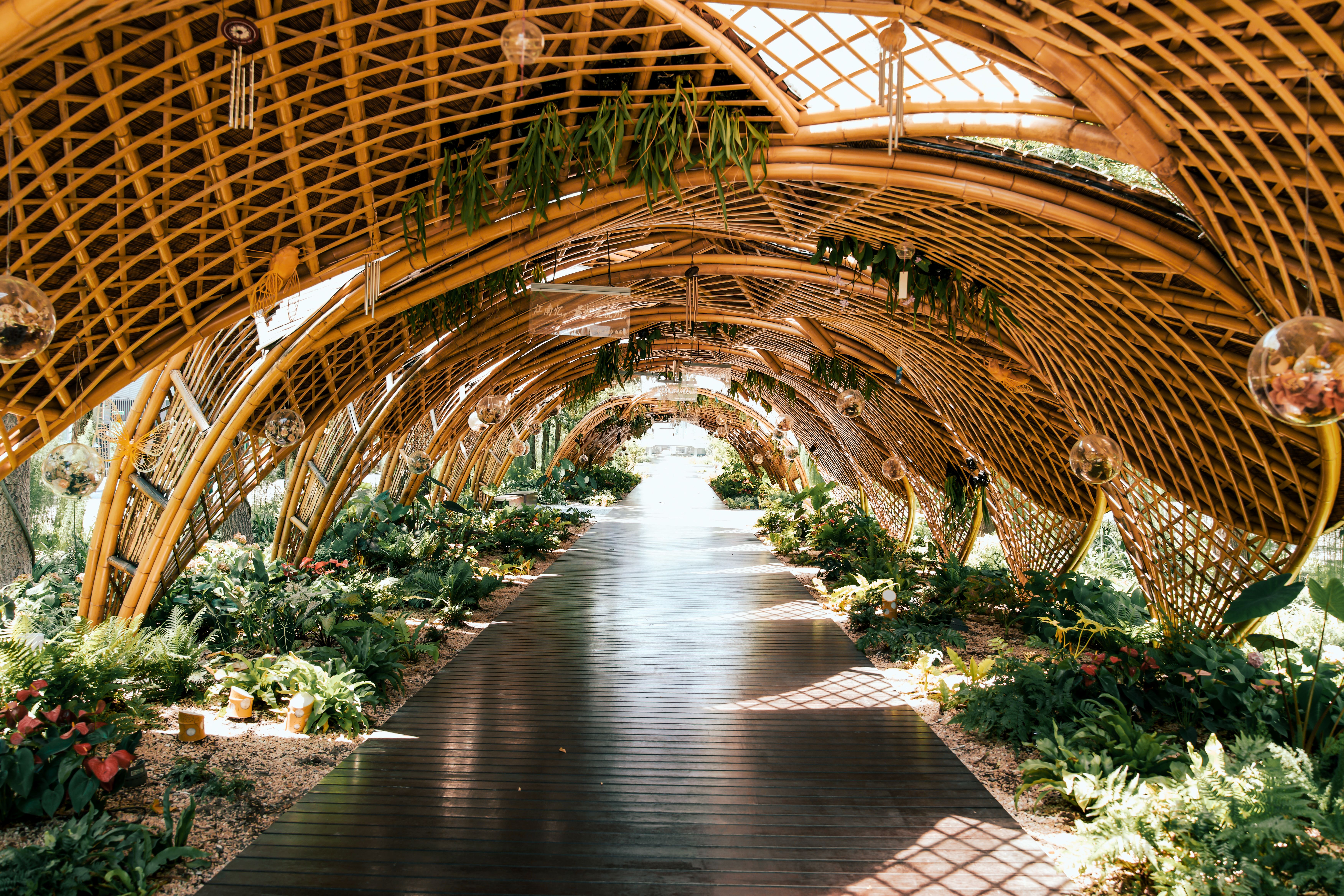
You do not need a complete makeover. Start small and let nature gradually become part of your interiors.
1. Bring In More Indoor Plants
Greenery is the easiest place to begin.
Choose plants according to the available light and floor space. Floor plants can fill empty corners, tabletop plants work well on desks and shelves, while hanging plants can add greenery without using valuable floor space.
Snake Plant, Pothos, Peace Lily and Areca Palm are popular options. Beginners should start with varieties suited to their care routine rather than choosing purely based on appearance.
2. Create a Green Corner
An unused corner can become a tiny indoor garden.
Combine plants of different heights, leaf shapes and textures. Plant stands, shelves and small stools can create layers, making the arrangement feel fuller without overcrowding the room.
3. Use Natural Materials
Nature-inspired interiors need more than greenery.
Introduce natural materials through:
- Wood: Coffee tables, shelves and furniture.
- Bamboo: Storage baskets and decorative pieces.
- Rattan: Chairs, lamps and baskets.
- Jute: Rugs, mats and accessories.
- Stone: Trays, décor pieces and surfaces.
- Terracotta: Planters and decorative pots.
For a cohesive look, repeat one or two materials across different parts of the room.
4. Let Natural Light Take Centre Stage
Good lighting can make even a small space feel more connected to the outdoors.
Keep windows as unobstructed as possible and use sheer curtains to soften bright sunlight. Position plants near suitable light sources and use mirrors strategically to help distribute daylight around the room.
5. Choose Nature-Inspired Colours
Think of the colours you might notice during a walk through a garden or along a sandy trail.
Greens, earthy browns, beige, sand, soft blues and terracotta tones can create a calming palette. Combine different shades rather than using one colour everywhere. A green cushion, beige sofa and terracotta planter can create variety without making the room feel busy.
6. Add Flowers and Seasonal Foliage
Fresh flowers can instantly make a room feel more alive.
Place seasonal arrangements on dining tables, bedside tables or living-room consoles. Choose flowers that complement the season and existing décor.
Dried flowers and foliage can also work well when you want a longer-lasting decorative feature.
7. Introduce Nature-Inspired Textures and Patterns
You can bring the outdoors in without adding another plant.
Try botanical prints, leaf motifs, floral cushions, nature-inspired wallpaper and organic textures. Keep patterns balanced by pairing a statement print with simpler furnishings.
8. Add a Small Water Element
Water introduces another sensory layer to a nature-inspired space.
A tabletop fountain, small indoor water feature or decorative bowl with floating flowers can add movement and visual interest. The gentle sound of moving water may also contribute to a soothing atmosphere.
9. Choose Organic Shapes and Curved Furniture
Nature rarely follows perfectly straight lines, so your furniture does not have to either.
Rounded tables, curved chairs, organic-shaped mirrors and irregular ceramic planters can soften a room. Mixing curved pieces with traditional furniture creates visual contrast without making the space feel overly themed.
10. Bring Nature Into Small Spaces
Even the smallest home can make room for a little greenery.
Try:
- Balcony: Compact planters and vertical greenery.
- Bedroom: Small low-maintenance plants.
- Home office: A tabletop plant beside your workspace.
- Bathroom: Humidity-friendly varieties where suitable.
- Small apartment: Hanging planters and wall shelves.
Renters can use removable shelves, lightweight planters and portable décor that can move easily between homes.
Common Biophilic Décor Mistakes to Avoid
The goal is balance, not turning your living room into a botanical garden overnight.
- Too many plants: Leave enough breathing room between arrangements.
- Wrong plant placement: Match each plant with its light requirements.
- Only artificial greenery: Use real plants where practical.
- Too many colours: Keep your palette connected to a few nature-inspired shades.
- Ignoring maintenance: Choose plants that fit your available time and care routine.
- Overdoing the theme: A balanced combination of greenery, materials, light and textures works better than making every item nature-themed.
Conclusion
Source: pexels
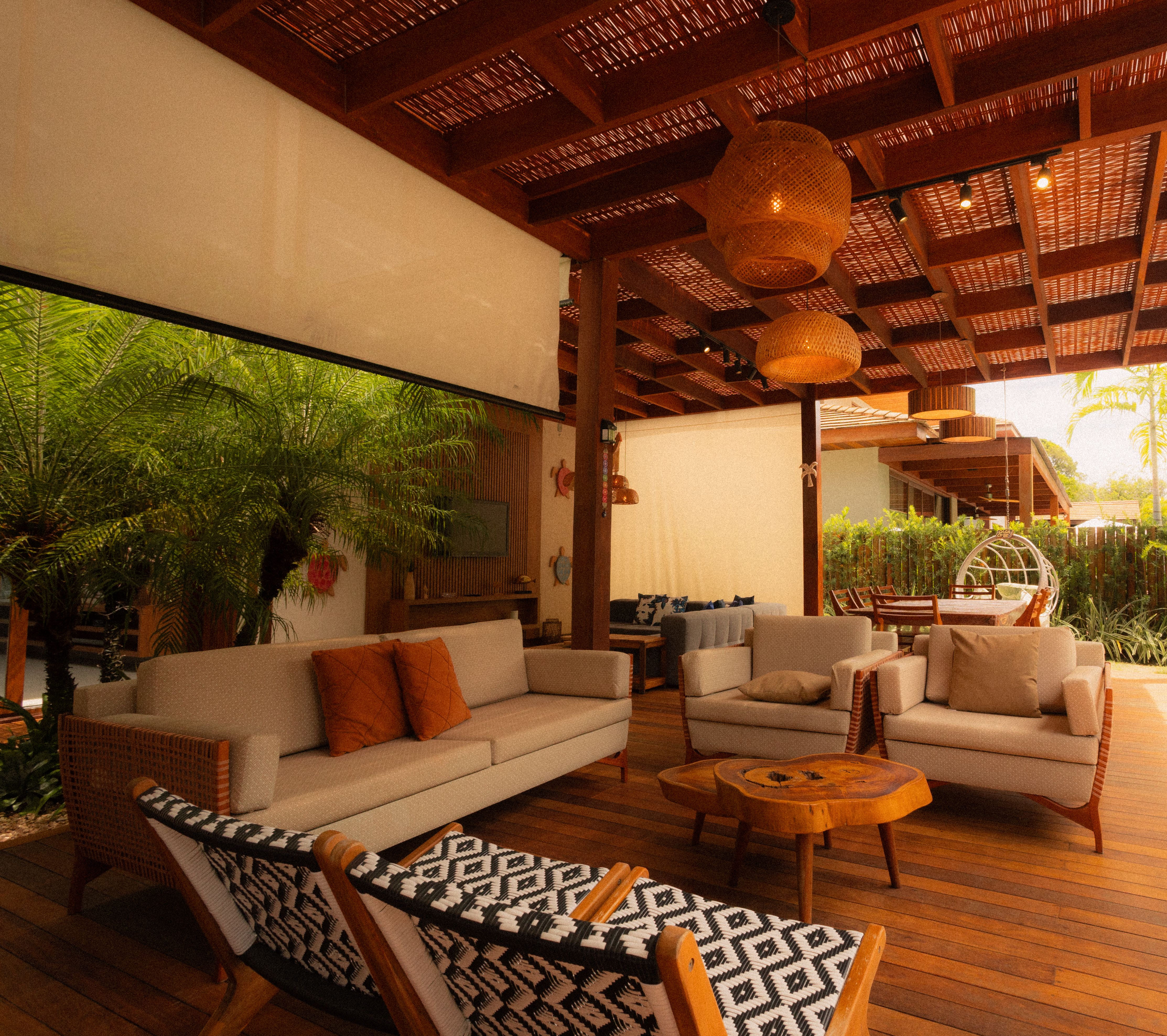
Biophilic décor is less about following a strict design formula and more about creating spaces that feel connected to the natural world.
A leafy corner, wooden furniture, soft daylight, seasonal flowers, earthy colours or a small water feature can make a noticeable difference. The beauty of biophilic home decor lies in its flexibility. You can introduce one idea at a time and build a space that feels natural to you.
Start with one plant, open the curtains and let a little more nature into the room. Sometimes, a small change is all it takes to make home feel a whole lot fresher.
Frequently Asked Questions
Q1. What are the main elements of biophilic design?
The main elements include plants, natural materials, daylight, water, organic shapes, nature-inspired colours, natural textures and patterns.
Q2. Can biophilic décor work in a small apartment?
Yes. Small plants, hanging planters, wall shelves, natural textures and carefully chosen colours can introduce biophilic elements without taking up much space.
Q3. What colours are best for a biophilic home?
Greens, earthy browns, beige, sand, soft blues and terracotta are popular choices. Combining different shades creates depth while keeping the overall look connected to nature.
Q4. What natural materials can be used in biophilic décor?
Wood, bamboo, rattan, jute, stone and terracotta are useful choices for furniture, flooring, rugs, baskets, planters and decorative accessories.
Q5. Is biophilic design the same as having indoor plants?
Not quite. Indoor plants are one part of biophilic design. The broader approach also includes natural light, materials, colours, textures, water and organic forms.
Q6. How can I create biophilic décor in a hot climate like the UAE?
Choose plants suited to indoor conditions, manage direct sunlight carefully and use breathable natural materials. Sheer curtains, suitable plant placement and low-maintenance varieties can also help create a comfortable nature-inspired interior.
Explore Our Plant Collections
Air Purifying Plants | Money Plant | Bonsai Plants | Desktop and Office Plants | Flowering Plants | Good Luck Plants | Outdoor Plants | Jade Plants


