

Fragrance is deeply personal. It can lift a mood, trigger memories and become part of someone’s identity. But for people with breathing sensitivities, choosing a scent is not always simple. If someone lives with asthma, allergies or fragrance sensitivity, the wrong perfume can cause discomfort rather than delight.
Questions like can perfume trigger asthma or can cologne trigger asthma are more common than you might think. For some individuals, strong scents may lead to coughing, wheezing, headaches or even an asthma flare-up. That is why selecting the right fragrance requires care and understanding.
In this guide, we will explore how asthma and perfume interact, what ingredients to avoid, what to look for instead, and how to choose a thoughtful scent, whether for yourself or as a gift.
Understanding Breathing & Allergy Sensitivities
Source: fnp.ae
Before choosing a perfume for asthmatics, it helps to understand why fragrance can be problematic.
How perfumes can trigger allergies or asthma
Perfumes release tiny airborne particles. For sensitive individuals, these particles may irritate the airways. This is why people often ask, can perfume trigger asthma attacks, and in some cases, yes, it can.
Strong synthetic fragrances, high alcohol content, and heavy projection scents can irritate the respiratory system. For those wondering why does perfume triggers asthma, the answer often lies in airway inflammation and sensitivity to specific chemical compounds.
Common symptoms to watch out for
- Wheezing
- Shortness of breath
- Chest tightness
- Sneezing or nasal congestion
- Headaches
- Watery or irritated eyes
If someone experiences these symptoms after applying fragrance, they may need a gentler alternative.
Why some fragrances feel “too strong”
Projection and sillage (how far a scent travels) vary greatly between perfumes. Eau de Parfum concentrations are typically stronger and last longer, while lighter formulations stay closer to the skin. A scent that feels pleasant to one person may feel overwhelming to someone with a sensitive nose.
Ingredients to Avoid in Perfumes
When searching for the best perfume for asthmatics, ingredient awareness is key.
Alcohol-heavy formulas
Most mainstream perfumes contain alcohol, which helps disperse scent into the air. However, alcohol-heavy sprays can be sharp and irritating, especially when freshly applied.
Synthetic fragrance blends
The word “fragrance” or “parfum” on a label can refer to a mix of many undisclosed ingredients. Some synthetic aroma chemicals may be irritating for allergy-prone individuals.
Common irritants and allergens
- Artificial musks
- Phthalates
- Strong aldehydes
- Certain preservatives
While not everyone reacts to these, they are more likely to cause issues in people who already struggle with asthma or allergies.
Ingredients That Are Usually Safer

Source: pexels
If you are looking for the best perfumes for allergy sufferers, gentler formulations make a difference.
Natural or plant-based ingredients
Perfumes that use naturally derived essential oils in controlled amounts are often softer. However, even natural ingredients can cause reactions, so testing is important.
Essential oils in low concentration
Lower concentration oils tend to sit closer to the skin and produce a softer scent cloud.
Hypoallergenic and dermatologist-tested labels
While not a guarantee, perfumes labelled as hypoallergenic or dermatologist-tested are typically formulated with sensitivity in mind.
Best Types of Perfumes for Sensitive Users
Source: fnp.ae
Not all perfume formats behave the same way.
Eau de Toilette vs Eau de Parfum
Eau de Toilette (EDT) generally contains a lower concentration of fragrance oils than Eau de Parfum (EDP). For sensitive individuals, EDT may feel lighter and less overwhelming.
Oil-based perfumes
Oil-based fragrances are often considered a gentler option because they do not rely on alcohol for diffusion. They remain closer to the skin and are less likely to fill a room.
Mild, skin-close fragrances
Look for descriptions such as “soft,” “intimate,” or “subtle.” These are more likely to suit someone searching for a safe asthma perfume option.
Fragrance Notes That Are Less Irritating
Source: fnp.ae
Certain scent families tend to feel lighter and fresher.
Light floral notes
Delicate rose, peony or lily-of-the-valley notes can feel airy rather than overpowering. Some blends from well-known houses such as Chanel are known for balanced compositions, though always choose lighter interpretations.
Fresh, green and citrus scents
Citrus, green tea and soft herbal notes often feel clean and less cloying. They usually fade more quickly, which can be helpful for sensitive wearers.
Soft woody and powdery notes
Subtle sandalwood, light cedar or powdery iris can provide warmth without intensity. Certain refined blends from Dior, especially in lighter concentrations, may suit those who prefer understated elegance.
How to Test a Perfume Safely?
Testing is essential, especially when considering perfume for asthmatics.
Patch testing tips
Apply a small amount to the inner wrist and wait at least 24 hours. Monitor for skin irritation or breathing discomfort.
Try samples before buying
Never commit to a full bottle without testing. Many retailers offer smaller vials or discovery sets.
Observe reactions over time
Sometimes irritation develops after repeated exposure. Wear the fragrance for short periods at first and gradually increase usage if no symptoms appear.
Tips for Gifting Perfume to Someone with Allergies
Buying perfume as a gift can feel risky when the recipient has sensitivities.
Choose subtle scents
Opt for light florals, fresh citrus or gentle musky bases rather than bold oriental or spicy blends.
Look for allergy-friendly branding
Some brands emphasise minimal ingredients or cleaner formulations. You might explore curated options such as a Perfumes Gift Set to allow the recipient to test smaller quantities safely before committing.
When to consider perfume alternatives
If you are unsure, ask discreetly about preferences. Some people with asthma prefer to avoid fragrance altogether.
Alternatives to Traditional Perfumes

Source: fnp.ae
For those who struggle with conventional sprays, alternatives can be a thoughtful compromise.
Solid perfumes
These are applied directly to pulse points and tend to remain very close to the skin.
Light body mists
Body mists are typically more diluted than standard perfumes, making them a gentler option for some.
Scented candles or essential oil rollers
In some cases, enjoying fragrance in a space rather than on the body may be preferable though even here, ventilation matters.
Thoughtful Fragrance Choices for Comfort and Care
Source: fnp.ae
Choosing fragrance for someone with breathing or allergy issues is about balance. While it is true that perfume can trigger asthma is a valid concern, it does not mean fragrance must be avoided entirely. With careful selection, testing and moderation, many people can still enjoy scent safely.
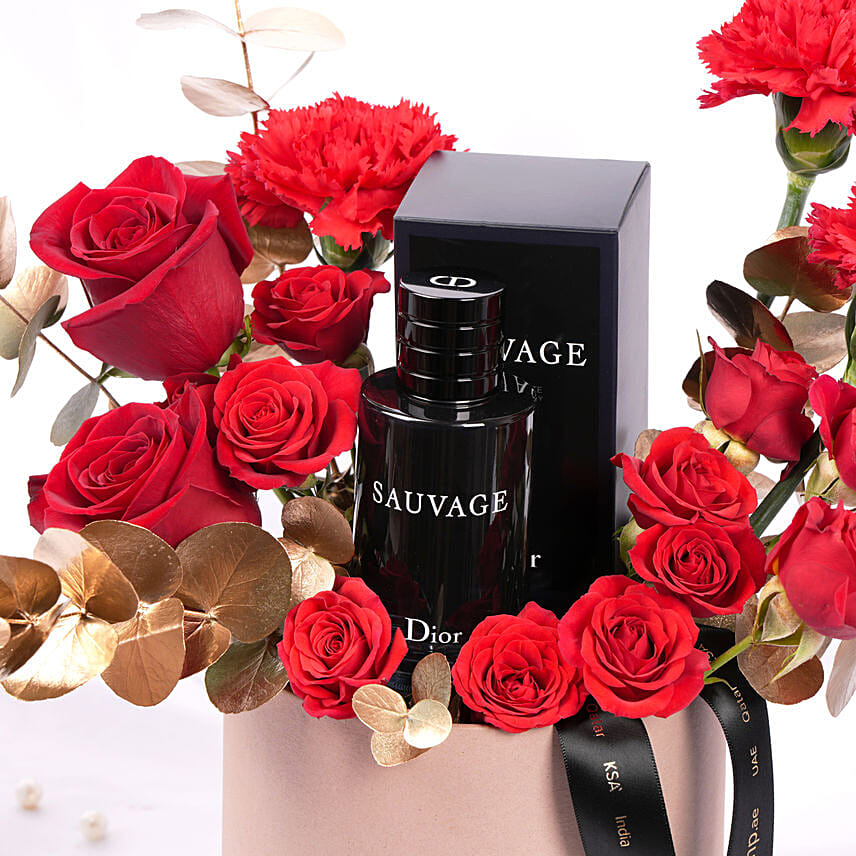
When browsing collections such as Chanel or Dior, focus on lighter concentrations and subtle compositions. Above all, listen to the individual’s comfort level.
A fragrance should never cause distress. It should feel like a quiet presence, something that enhances, rather than overwhelms.
Frequently Asked Questions (FAQs)
Q1. Can people with asthma wear perfume safely?
Some can, provided they choose mild, low-concentration fragrances and test carefully beforehand.
Q2. Which ingredients should be avoided in perfumes for allergy-prone individuals?
High alcohol content, synthetic fragrance blends, artificial musks and certain preservatives may cause irritation.
Q3. What type of perfume is best for sensitive noses?
Oil-based perfumes, Eau de Toilette formulations and skin-close scents are often better tolerated.
Q4. How can I test a perfume for allergies before buying it?
Apply a small amount to the skin and monitor for 24 hours. Start with samples rather than full bottles.
Q5. How do I choose a perfume for someone with fragrance sensitivities?
Opt for subtle, fresh or lightly floral notes and consider gifting smaller sets so they can test safely.
Q5. Are body mists or light sprays safer than regular perfumes?
They can be, as they are typically more diluted, but reactions vary from person to person.
Explore Our Perfume Collection for more
Swiss Arabian Perfumes | Ajmal Perfumes | Ahmed Al Maghribi Perfumes | Perfume for Women | Perfume for Men


