

Artificial jewellery has become a wardrobe essential, offering stylish designs at affordable prices. Perfect for everyday wear, festive celebrations, weddings, and office outfits, these fashionable accessories allow you to experiment with different looks without spending a fortune. Investing in quality Artificial Jewellery also means enjoying trendy pieces that complement every occasion.
However, regular wear can cause artificial jewellery to lose its sparkle. Tarnishing, dirt buildup, discolouration, and fading are common issues caused by exposure to moisture, cosmetics, and daily use. Learning how to clean artificial jewellery at home can help preserve its beauty and extend its lifespan without requiring expensive cleaning products.
Why Artificial Jewellery Loses Its Shine Over Time?

Source: pexels
Several everyday factors contribute to dull-looking fashion jewellery.
Exposure to Moisture and Humidity
Humidity and water can react with the metal coating, causing oxidation and tarnishing.
Contact with Perfumes, Lotions, and Cosmetics
Perfumes, hairsprays, lotions, and makeup contain chemicals that gradually damage the protective finish of artificial jewellery.
Sweat and Daily Wear
Natural body oils and perspiration can leave residue on jewellery, making it appear dull over time.
Improper Storage Practices
Keeping jewellery loosely in drawers or exposing it to air and sunlight speeds up tarnishing and scratching.
Things to Know Before Cleaning Artificial Jewellery
Before trying any cleaning method, keep these precautions in mind.
- Identify the material and finish, as different jewellery requires different care.
- Avoid harsh chemicals, bleach, and abrasive scrubbers.
- Always test your chosen cleaning solution on a small, hidden section before cleaning the entire piece.
These simple steps help prevent accidental damage.
How to Clean Artificial Jewellery at Home: Step-by-Step Guide
If you’re wondering how to clean artificial jewellery, these simple household methods are safe and effective.
Method 1: Clean with Mild Soap and Warm Water
This is the safest option for lightly soiled jewellery.
You’ll need:
- Mild liquid soap
- Warm water
- Soft cloth
- Small bowl
Steps:
- Mix a few drops of soap into warm water.
- Dip a soft cloth into the solution.
- Gently wipe the jewellery.
- Remove any soap residue with a damp cloth.
- Dry thoroughly using a clean microfiber cloth.
This method works well for everyday maintenance.
Method 2: Use Baking Soda for Stubborn Dirt
Baking soda can help remove stubborn grime.
Mix baking soda with a few drops of water to form a smooth paste. Apply it gently using your fingertips or a soft cloth, then wipe it away with a damp cloth.
Avoid using this method on delicate stones or pearl jewellery, as the paste may be slightly abrasive.
Method 3: Vinegar Solution for Removing Tarnish
A diluted vinegar solution can help remove mild tarnish from certain metal-based fashion jewellery.
Mix one part white vinegar with three parts water. Dip a soft cloth into the solution and gently wipe the jewellery before drying immediately.
Avoid vinegar on pearl, beaded, or stone-studded jewellery, as acidic solutions may damage delicate surfaces.
Method 4: Toothbrush Cleaning for Detailed Designs
Jewellery with intricate patterns often traps dust in hard-to-reach areas.
Choose a soft-bristled toothbrush and gently brush around the detailed sections without applying pressure. This helps clean tiny grooves while protecting the finish.
Method 5: Microfiber Cloth for Instant Shine
A microfiber cloth is perfect for quick maintenance between wears.
Simply buff the jewellery gently after each use to remove fingerprints, dust, and oil. Regular polishing helps prevent dirt from building up.
How to Clean Different Types of Artificial Jewellery?

Source: pexels
Different jewellery styles require slightly different care.
Artificial Gold Jewellery
Those wondering how to polish artificial gold jewellery at home should stick to mild soap and soft polishing cloths. Avoid excessive rubbing, which may wear away the gold plating.
Artificial Silver Jewellery
Clean using a gentle baking soda paste or mild soap solution to remove tarnish without scratching the surface.
Pearl and Beaded Jewellery
Never soak pearls or beads. Instead, wipe them carefully with a damp cloth and dry immediately.
Stone-Studded Fashion Jewellery
Use a soft cloth or cotton bud to clean around the stones. Avoid soaking, as moisture may weaken adhesives.
Oxidized Jewellery
Maintain its vintage appearance by dusting gently with a dry microfiber cloth. Avoid polishing products that remove the oxidised finish.
Common Mistakes to Avoid While Cleaning Artificial Jewellery
Many people unknowingly damage their jewellery by following unsuitable cleaning methods.
Avoid these common mistakes:
- Soaking jewellery for extended periods.
- Using bleach, ammonia, or strong chemical cleaners.
- Scrubbing aggressively with hard brushes.
- Storing jewellery before it has completely dried.
These habits can shorten the life of your favourite accessories.
How to Store Artificial Jewellery to Keep It Looking New?
Proper storage is just as important as cleaning.
- Store each piece in a separate jewellery pouch.
- Keep jewellery away from direct sunlight and humid environments.
- Use airtight containers to minimise oxidation.
- Place anti-tarnish strips inside storage boxes for extra protection.
Organised storage prevents scratches and keeps jewellery looking newer for longer.
Easy Daily Care Tips to Prevent Tarnishing
Preventive care reduces the need for frequent deep cleaning.
- Put jewellery on after applying makeup, perfume, and hairspray.
- Remove jewellery before swimming, showering, or exercising.
- Wipe each piece with a microfiber cloth after wearing it.
- Rotate frequently worn jewellery instead of wearing the same pieces daily.
These simple habits make a noticeable difference over time.
When Is It Time to Replace Artificial Jewellery?
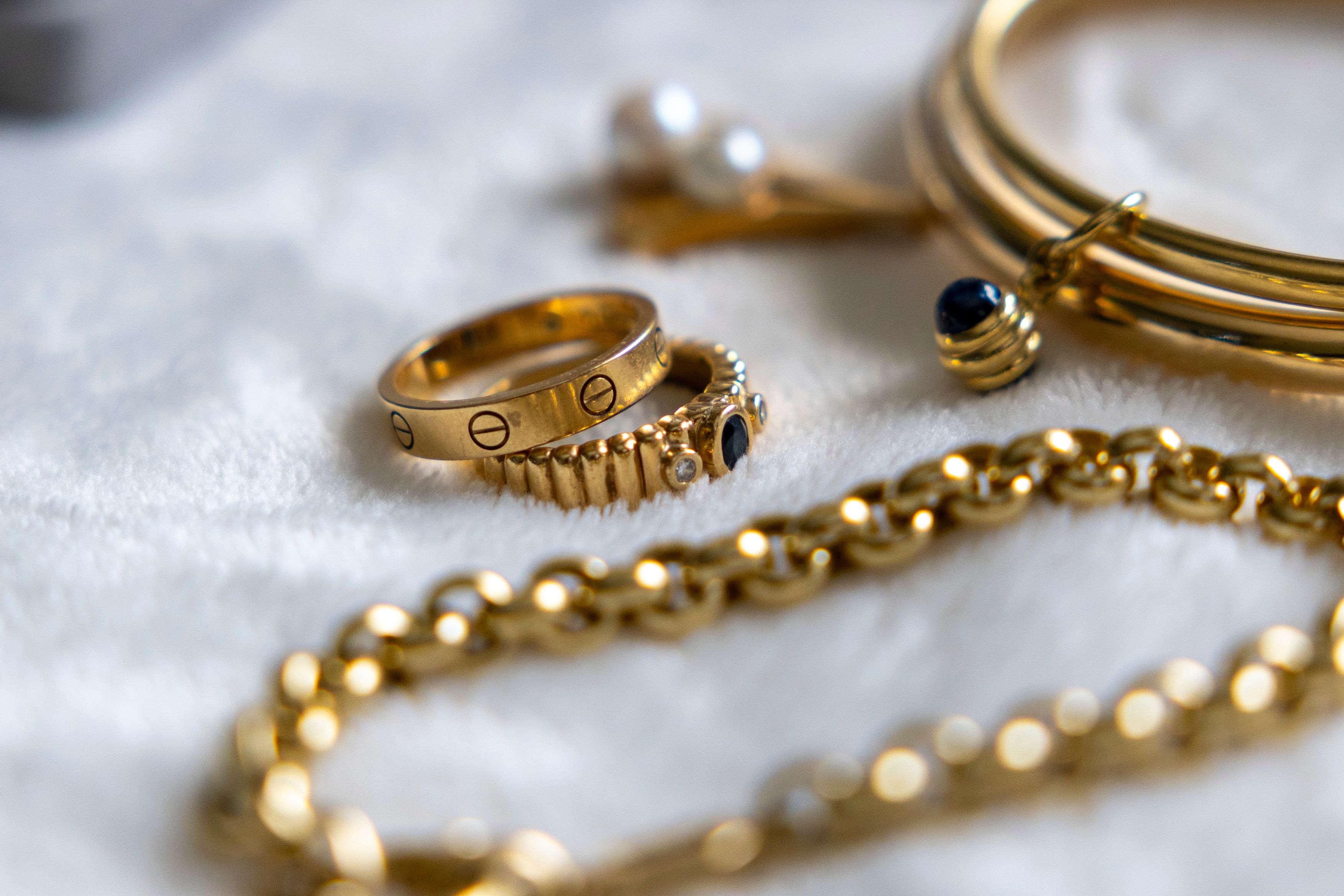
Source: pexels
Even with proper care, fashion jewellery has a limited lifespan.
Consider replacing pieces if you notice:
- Permanent tarnishing that no cleaning method removes.
- Peeling or flaking plating.
- Loose, missing, or damaged stones.
- Broken clasps or structural damage that cannot be repaired economically.
Sometimes replacing heavily worn jewellery is more practical than attempting repairs.
Conclusion
Learning how to clean artificial jewellery at home is an easy way to maintain your favourite accessories and keep them looking beautiful for longer. Gentle household ingredients such as mild soap, baking soda, and vinegar can effectively restore shine when used correctly. Combined with proper storage and daily care, these simple techniques will help your artificial jewellery remain stylish and wearable for many occasions.
Frequently Asked Questions (FAQs)
Q1. How often should I clean artificial jewellery?
Clean frequently worn jewellery every two to four weeks and wipe it after each use.
Q2. Can I use toothpaste to clean artificial jewellery?
No. Toothpaste is abrasive and may scratch the plating or damage delicate finishes.
Q3. How do I remove tarnish from artificial gold jewellery?
Use a mild soap solution and a soft microfiber cloth. Avoid harsh polishing products that can remove the gold coating.
Q4. Is vinegar safe for all types of artificial jewellery?
No. Vinegar is suitable only for certain metal pieces and should not be used on pearls, beads, or stone-studded jewellery.
Q5. What is the best way to keep artificial jewellery from turning black?
Keep it dry, store it in airtight containers, avoid perfumes and moisture, and wipe it clean after every use.
Q6. Can artificial jewellery be restored once it loses its shine?
Yes. In many cases, gentle cleaning and proper polishing can restore much of its original shine, provided the plating has not permanently worn away.