

You reach for your favourite chocolate bar, already imagining that rich, velvety bite melting perfectly in your mouth. But the moment you unwrap it, something feels off. There are strange white streaks across the surface, almost like dust or chalk. Suddenly, the craving disappears and panic takes over. Is it spoiled? Has it gone bad? Should you throw it away immediately?
If you have ever wondered why does chocolate turn white, you are definitely not alone. It is one of the most common concerns among chocolate lovers, especially in warm or humid climates. The good news is that this mysterious white coating is usually harmless. In most cases, it is simply a natural reaction known as chocolate bloom rather than mould or spoilage.
If you are storing festive treats, gifting luxurious chocolate hampers, or saving a midnight indulgence for later, understanding why this happens can help you enjoy your chocolate without worry. In this guide, we will break down the causes, types, prevention methods, and whether bloomed chocolate is still safe to eat.
What is Chocolate Bloom?
Source: pexels
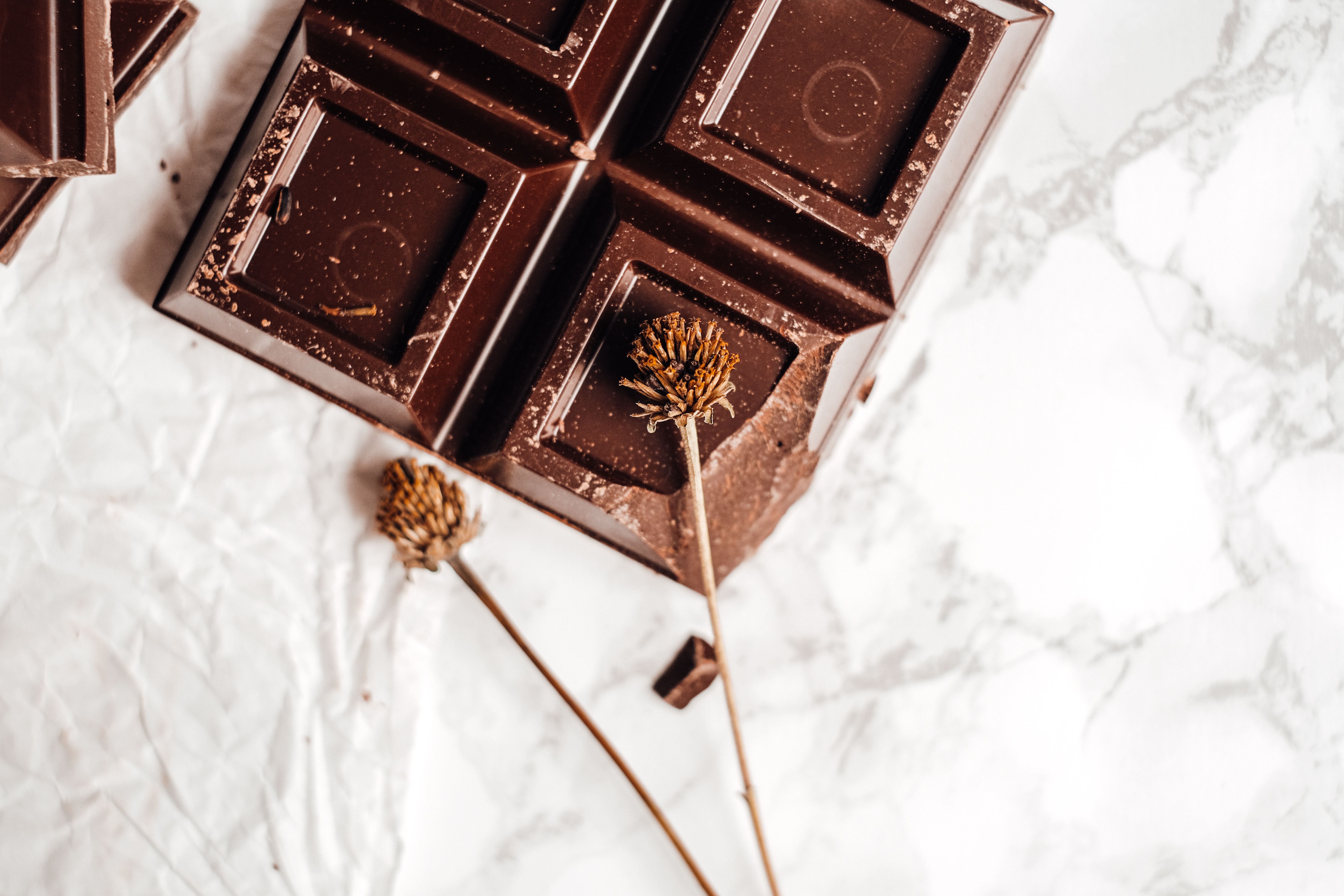
Chocolate bloom refers to the white or greyish coating that sometimes appears on the surface of chocolate. It may look dusty, streaky, cloudy, or patchy, making the chocolate appear old or spoiled. However, this common surface discolouration is usually caused by storage conditions rather than contamination.
Although it changes the appearance of chocolate, it does not necessarily mean the product is unsafe. In fact, most chocolates with these whitish patches are perfectly edible if they have been stored correctly and are still within their expiry date.
There are two main types of chocolate bloom, and each happens for a different reason.
Types of Chocolate Bloom

Source: pexels
1. Fat Bloom
Fat bloom is the most common form of white streaking seen in chocolate. It happens when cocoa butter, the natural fat in chocolate rises to the surface and recrystallises.
This usually occurs because of fluctuating temperatures. For example, if chocolate partially melts in a warm room and then cools down again, the cocoa butter separates and settles unevenly on the surface.
Fat bloom typically appears as:
- Smooth white streaks
- Pale patches
- A slightly greasy or soft texture
This is especially common in chocolates stored improperly during summer or transported in inconsistent temperatures.
2. Sugar Bloom
Sugar bloom occurs when moisture comes into contact with chocolate. Water dissolves the sugar on the surface, and once the moisture evaporates, the sugar recrystallises into rough white spots.
Unlike fat bloom, sugar bloom tends to feel grainy or chalky to the touch.
Common causes include:
- High humidity
- Condensation from refrigeration
- Exposure to moisture during storage
If your chocolate develops a rough texture after being taken out of the fridge, sugar bloom is usually the culprit.
Why Does Chocolate Turn White? (Key Causes)
Many people ask, why is my chocolate white even when it has not expired? The answer usually lies in the way it has been stored.
Temperature Changes
Chocolate is highly sensitive to heat. Even slight temperature fluctuations can cause cocoa butter to separate and rise to the surface.
Repeatedly moving chocolate between warm and cool environments increases the chances of white streaks appearing.
Exposure to Moisture
Humidity is one of chocolate’s biggest enemies. Moisture affects the sugar crystals in chocolate, creating rough and powdery patches.
Improper Storage
Keeping chocolate in the fridge without sealing it properly often leads to condensation, which damages texture and appearance.
Poor Tempering
Chocolate that has not been tempered correctly during manufacturing is far more likely to develop surface whitening over time.
Long Storage Duration
Even high-quality chocolate can eventually lose its smooth appearance if stored for extended periods.
Is Bloomed Chocolate Safe to Eat?

AI Generated
One of the most frequently asked questions is: is it safe to eat chocolate that has turned white?
Thankfully, the answer is usually yes.
Bloomed chocolate is generally safe if:
- It has been stored properly
- It is still within its expiry date
- It smells fresh
- There are no visible signs of mould
However, the texture may not feel as luxurious as fresh chocolate. Some people notice a grainy or crumbly consistency after bloom develops.
You should avoid eating chocolate if it:
- Smells sour or unpleasant
- Has fuzzy mould spots
- Tastes unusual
- Shows signs of contamination
How to Fix Chocolate Bloom
The good news is that bloomed chocolate does not have to be wasted.
Re-Melt and Temper It
You can melt the chocolate and temper it again to redistribute the cocoa butter evenly. Proper tempering helps restore shine and texture.
Use It for Baking or Cooking
Even if the appearance has changed, bloomed chocolate still works perfectly in:
- Brownies
- Cakes
- Cookies
- Chocolate sauces
- Hot chocolate drinks
Once melted into recipes, the white coating usually disappears completely.
However, appearance restoration may not be perfect without professional tempering techniques.
How to Prevent Chocolate from Turning White?
Preventing this chalky white layer is mostly about proper storage.
Store at a Stable Temperature
The ideal temperature for chocolate is between 15°C and 20°C. Keep it away from sudden heat exposure.
Avoid Refrigeration Unless Necessary
Chocolate generally does not need refrigeration unless the weather is extremely hot. If refrigeration is necessary, use an airtight container.
Keep Moisture Away
Humidity can quickly damage chocolate texture. Store chocolate in dry environments whenever possible.
Protect It from Sunlight
Direct sunlight melts chocolate unevenly and increases the risk of surface whitening.
Buy High-Quality Chocolate
Premium chocolates are usually tempered better and packaged more carefully. Well-crafted Chocolate Hampers often maintain freshness and texture for longer periods.
Does Chocolate Bloom Affect Quality or Taste?

AI Generated
This surface discolouration mainly affects appearance and texture rather than flavour.
Some noticeable changes may include:
- Slight graininess
- Softer consistency
- Reduced smoothness
However, the chocolate flavour itself often remains largely unchanged.
Interestingly, premium dark chocolates tend to show these whitish patches more visibly because of their delicate cocoa butter structure.
When Chocolate Turning White is NOT Bloom
While these whitish patches are usually harmless, there are situations where white marks may indicate something else.
Mould
Mould usually appears fuzzy or raised, unlike bloom, which looks smooth or powdery.
Expired Chocolate
Very old chocolate may develop unpleasant smells and stale flavours that indicate spoilage rather than simple surface changes.
Contamination
Improper storage around moisture, dirt, or strong odours can damage chocolate beyond repair.
If something smells or tastes wrong, it is always safer not to consume it.
Make Every Chocolate Gift Perfect
Chocolate gifting becomes far more enjoyable when freshness and quality are preserved properly. Good packaging and stable storage conditions help maintain flavour, texture, and appearance during delivery.
Choosing trusted brands ensures your chocolates arrive beautifully presented and protected from unnecessary heat or moisture exposure.
Explore our range of premium chocolates in Dubai and gift hampers that are stored and delivered with care for the perfect gifting experience.
Conclusion
Seeing white streaks on chocolate can feel disappointing, but it is usually nothing to worry about. In most cases, the white coating is simply a natural reaction caused by temperature changes or moisture exposure.
Understanding what does it mean when chocolate turns white can help you store your treats correctly and avoid unnecessary waste. While the appearance and texture may change slightly, bloomed chocolate is generally still safe and enjoyable to eat.
By choosing high-quality chocolates and following proper storage practices, you can keep your favourite sweet treats fresh, smooth, and delicious for longer.
Frequently Asked Questions (FAQs)
Q1. Why does chocolate turn white on the surface?
Chocolate turns white because of fat bloom or sugar bloom caused by heat, moisture, or improper storage conditions.
Q2. Is white chocolate bloom harmful to eat?
No, chocolate bloom is generally harmless if the chocolate has been stored properly and has not expired.
Q3. Can you fix chocolate that has turned white?
Yes, you can often improve its appearance by re-melting and tempering it properly.
Q4. How do you prevent chocolate bloom at home?
Store chocolate in a cool, dry place with stable temperatures and low humidity.
Q5. How can you tell if chocolate is spoiled or just bloomed?
Bloom looks smooth or powdery, while spoiled chocolate often smells unpleasant or develops fuzzy mould.
Q6. Does chocolate bloom affect taste?
The flavour usually stays similar, although the texture may become slightly grainy.
Q7. Can bloomed chocolate be used for baking?
Absolutely. Bloomed chocolate works perfectly well in brownies, cakes, cookies, and sauces.
Explore Our Premium Chocolate Collection
Milk Chocolate |Godiva Chocolate | Neuhaus Chocolates | Cadbury Chocolate | Personalised Chocolates | Chocolate Bouquets


