

A tree can tell you a surprising amount about a country. It can survive its harshest climate, appear in ancient stories, feed generations, shape landscapes or become a symbol seen on flags and coins.
But what is the national tree of a country, and why does one particular species earn that title?
National trees are chosen or recognised because they represent something deeply connected to a nation’s identity. Some reflect cultural traditions, others carry centuries of history, while several highlight the natural landscape and ecological heritage of a country.
Let’s travel across 15 countries and discover the stories behind their national trees, including India’s sprawling banyan, the UAE’s resilient Ghaf and Madagascar’s unforgettable baobab.
What Is a National Tree?
A national tree is more than a plant growing within a country’s borders.
A national tree is a tree species officially recognised or widely accepted as a national symbol. Its importance may be cultural, historical, ecological or economic.
- Cultural importance: The tree may appear in traditions, art, literature or religious practices.
- Historical significance: Some trees have witnessed major events or feature in ancient records.
- Ecological value: Native trees can represent a country’s unique biodiversity.
- National identity: A tree can become a recognisable symbol of the country’s people and landscape.
A national tree is not always the species most commonly seen in a country. Its symbolic value often matters just as much as its presence in the landscape.
For people who enjoy bringing a little greenery into their own spaces, Indoor Plants offer an easy way to appreciate the beauty and character of plants every day. They may not carry national symbolism, but they can still add personality and life to a home.
15 National Trees Around the World
Every national tree has a story, and these 15 are particularly fascinating.
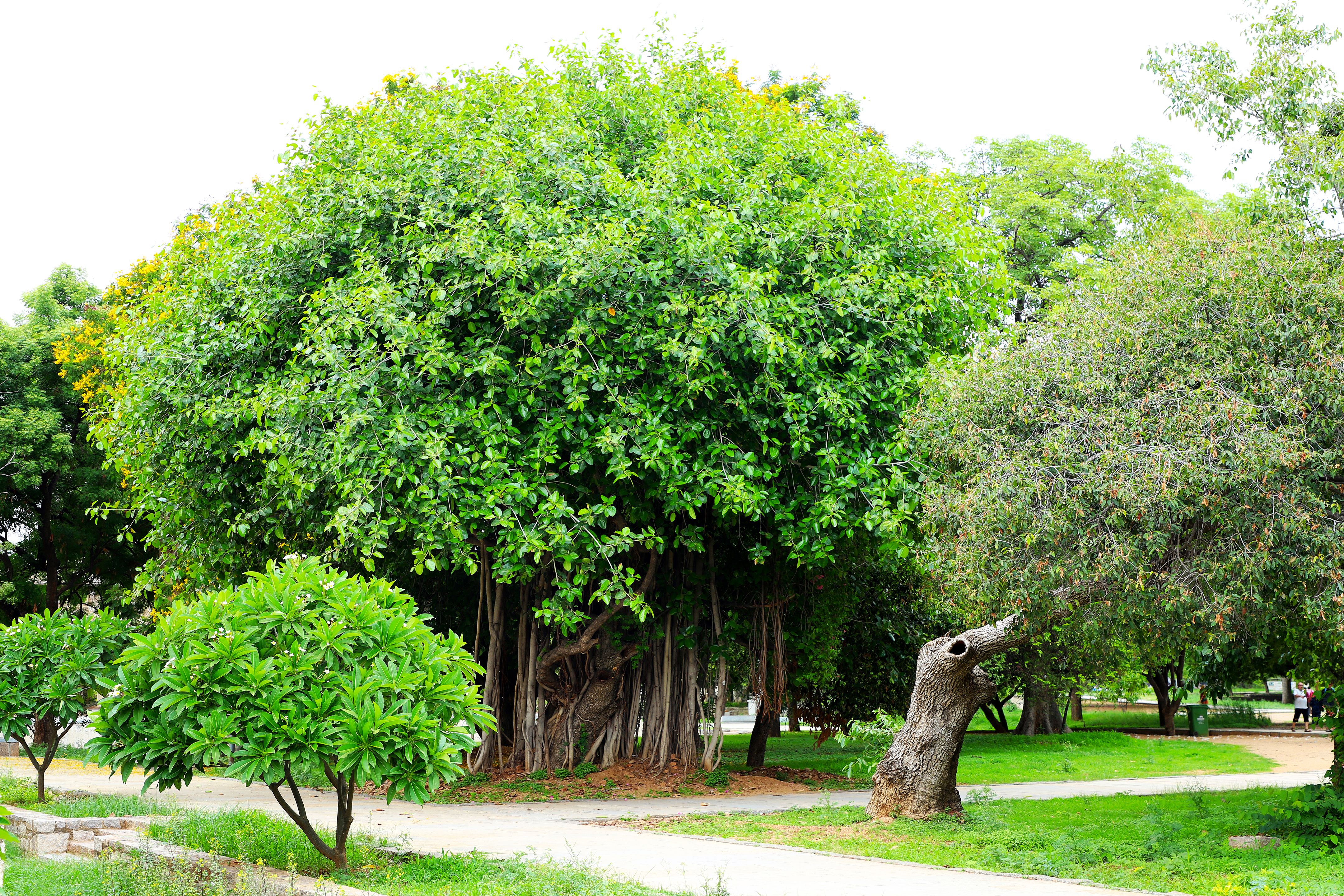
1. India – Indian Banyan
Source: pexels
National tree name: Indian Banyan (Ficus benghalensis)
The banyan represents longevity, shelter and interconnectedness. Its aerial roots grow downwards and develop into additional trunks, creating vast natural canopies.
Interesting fact: A mature banyan can spread across a remarkably large area, creating what looks like a small forest beneath one connected crown.
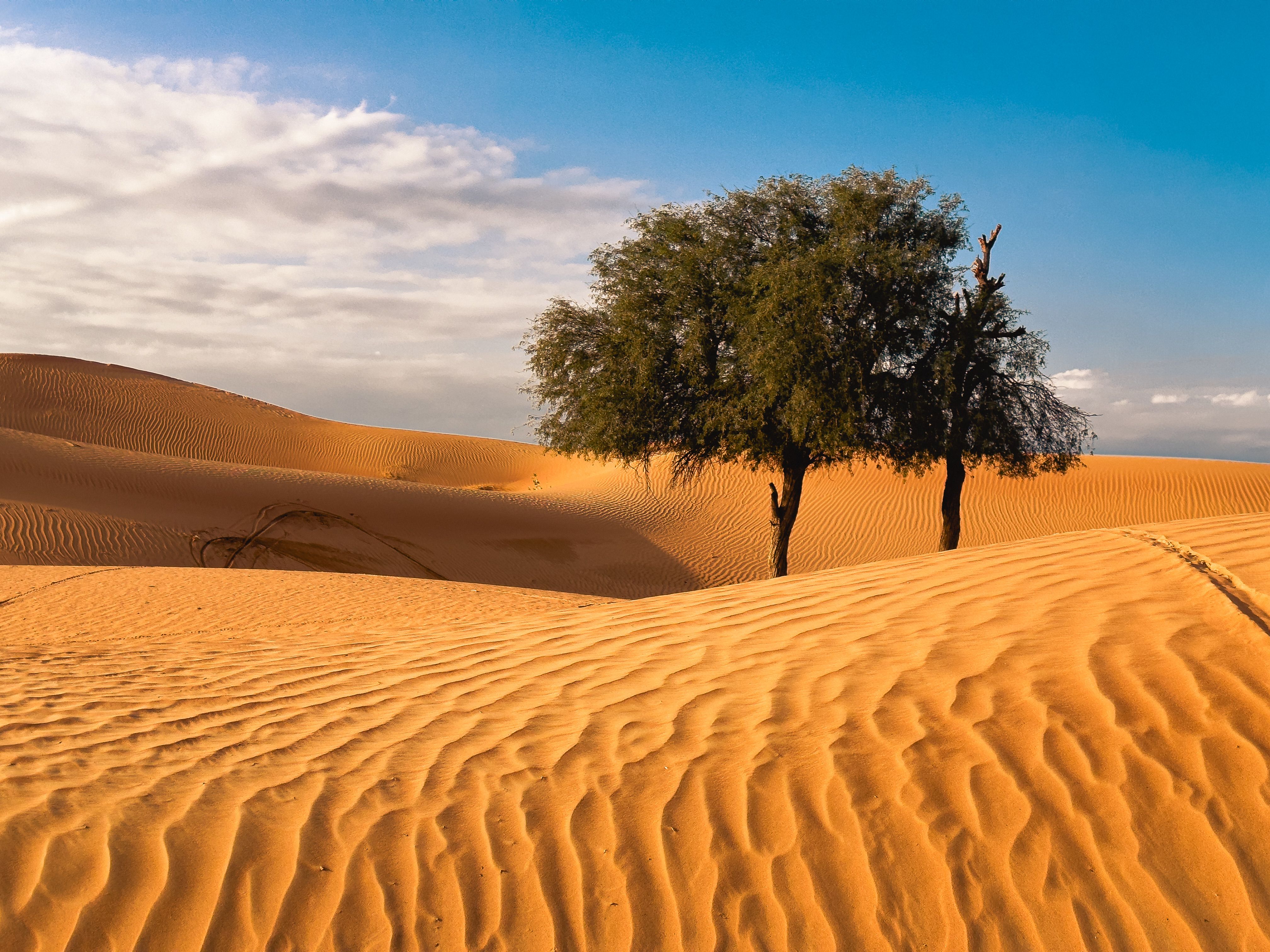
2. United Arab Emirates – Ghaf Tree
Source: pexels
The Ghaf (Prosopis cineraria) is deeply connected with the UAE’s desert landscape. Its ability to survive intense heat and limited water makes it a powerful symbol of resilience.
Its shade and ecological value also make it important to desert communities and wildlife.
Interesting fact: The Ghaf can remain green even under extremely dry conditions.
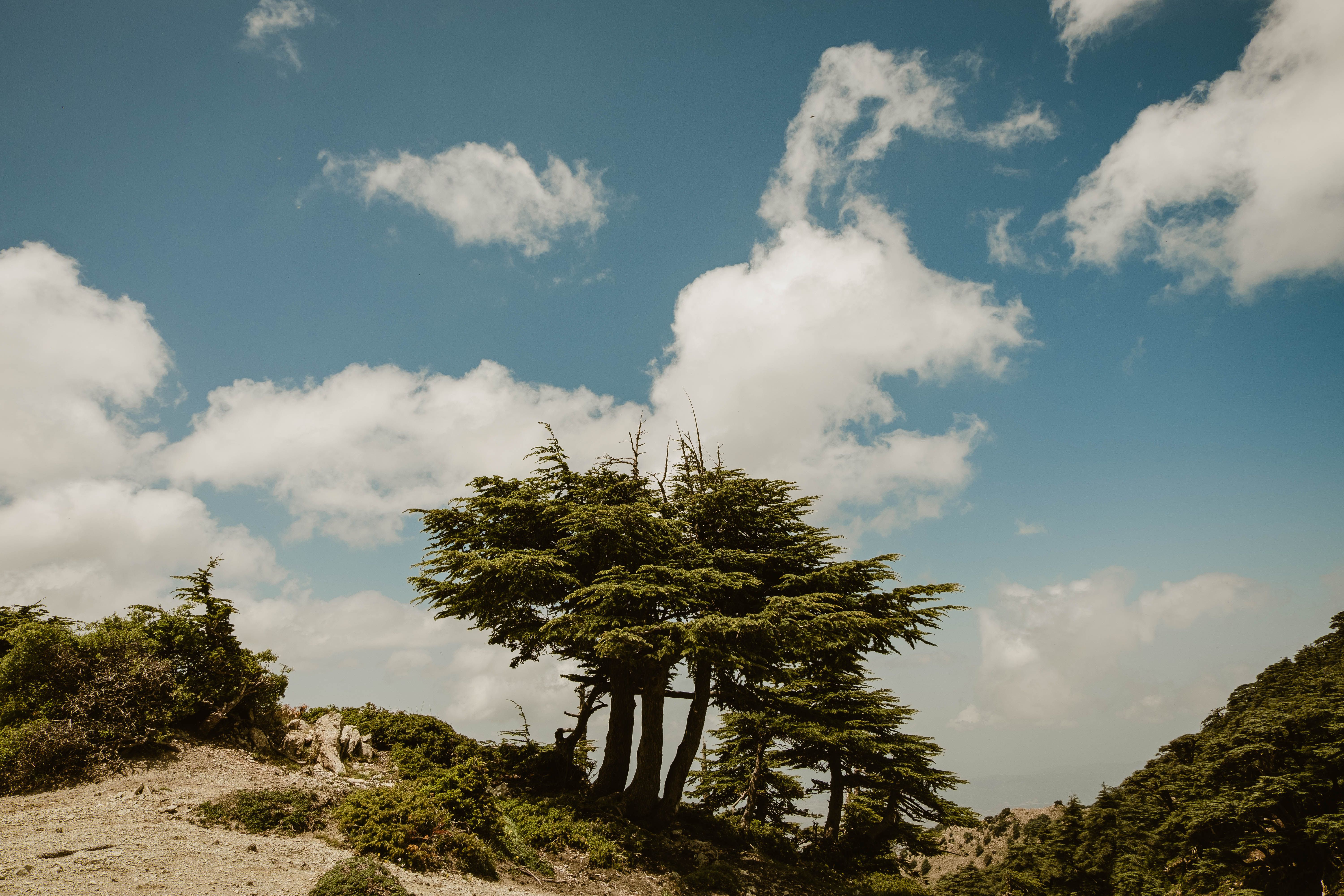
3. Lebanon – Cedar of Lebanon
Source: pexels
The Cedar of Lebanon (Cedrus libani) carries thousands of years of symbolism. It appears in ancient historical and religious texts and was valued for its strong, durable timber.
The cedar eventually became a powerful national symbol, representing strength, endurance and Lebanon’s ancient heritage.
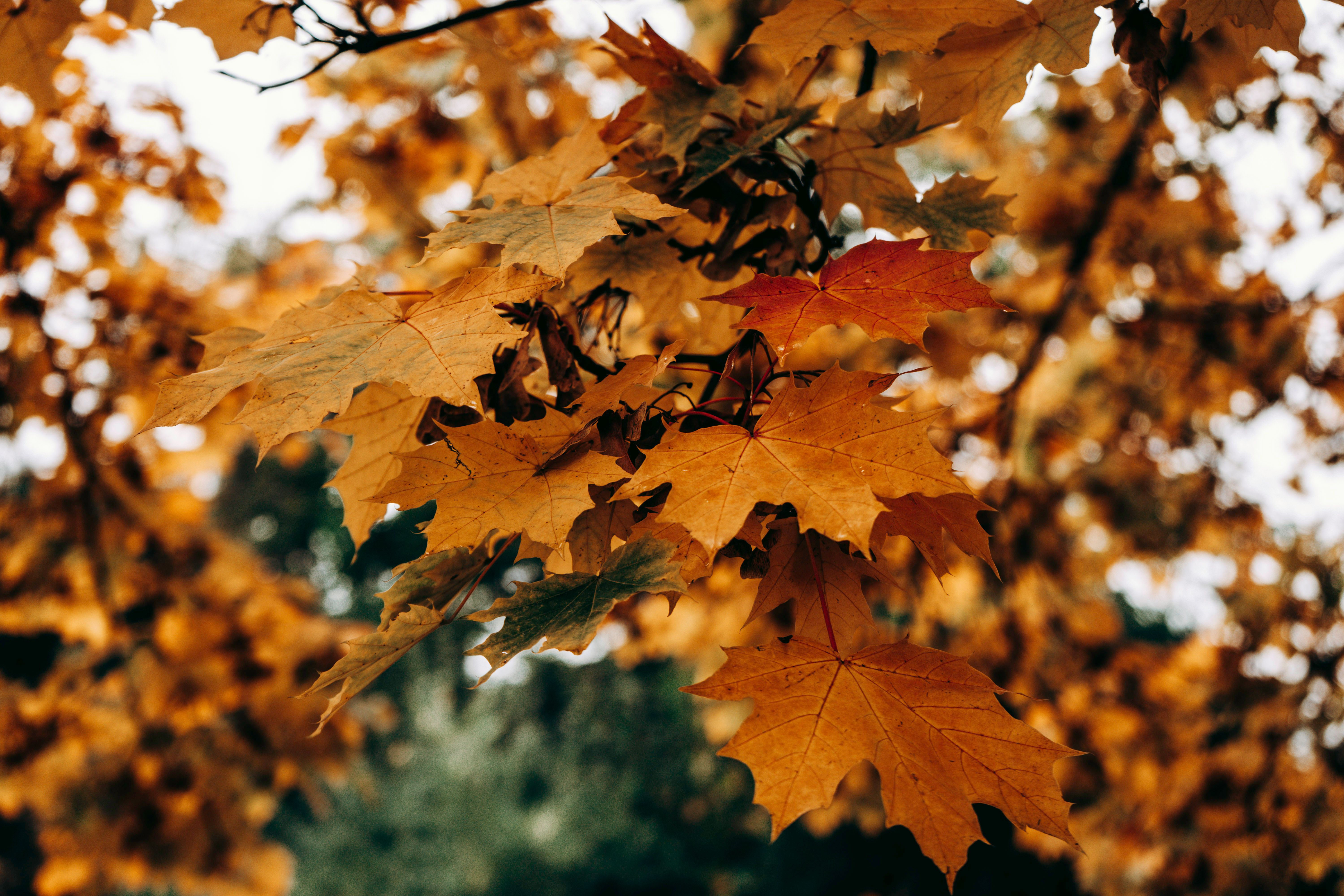
4. Canada – Maple Tree
Source: pexels
The maple has become inseparable with Canadian identity, particularly through the iconic maple leaf.
Maple trees are also important to Canada’s landscape and economy, with maple sap used to produce the country’s famous maple syrup.
Interesting fact: The maple leaf appears prominently on Canada’s national flag.
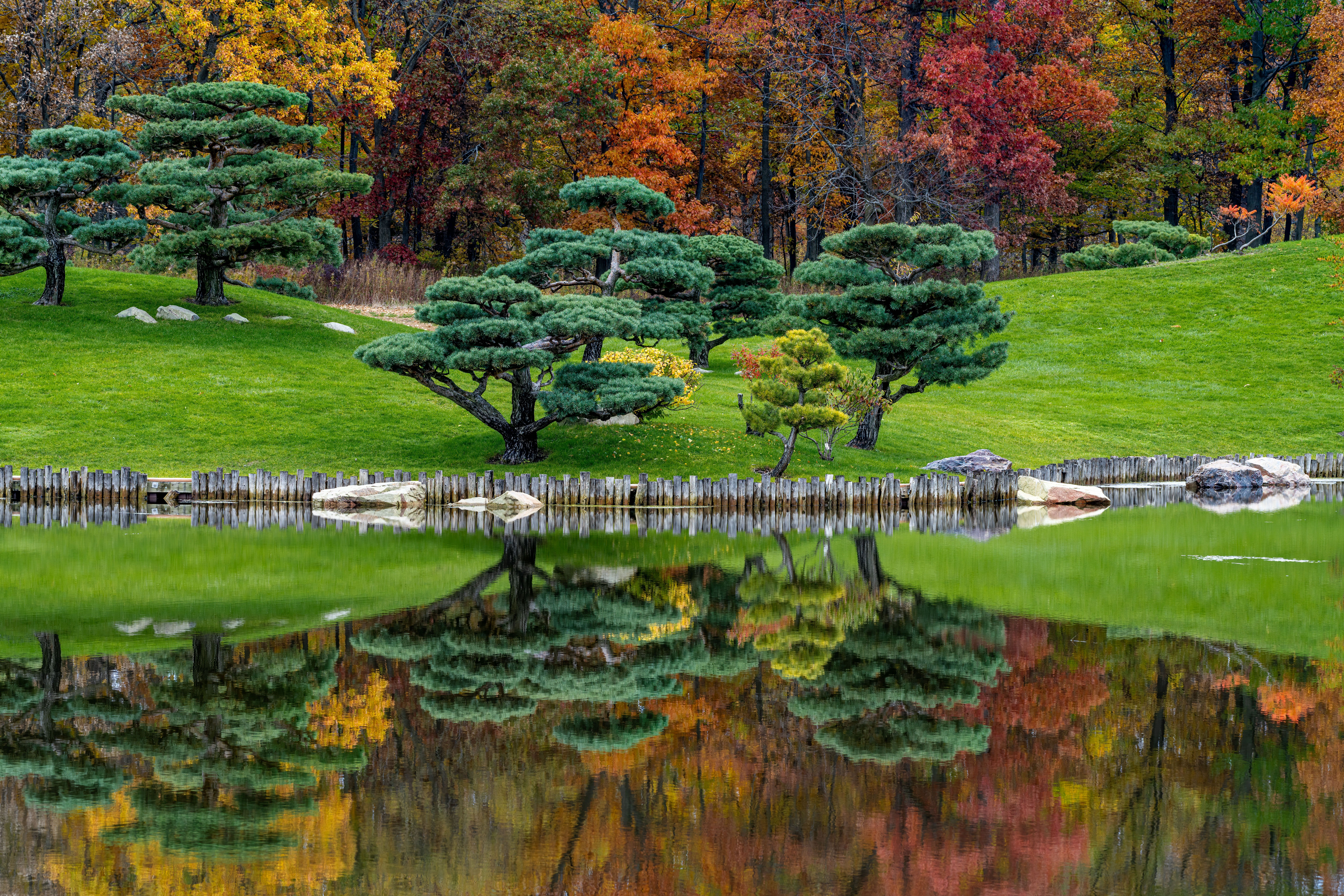
5. Japan – Japanese Red Pine
Source: pexels
The Japanese red pine (Pinus densiflora) has strong cultural associations with longevity, resilience and good fortune.
It frequently appears in traditional Japanese gardens and landscapes, where its distinctive form contributes to a sense of balance and harmony.
For nature lovers looking for thoughtful ways to share their love of greenery, Plant gifts can be a lovely choice. A living plant can add character to a space while creating a lasting reminder of a thoughtful gesture.
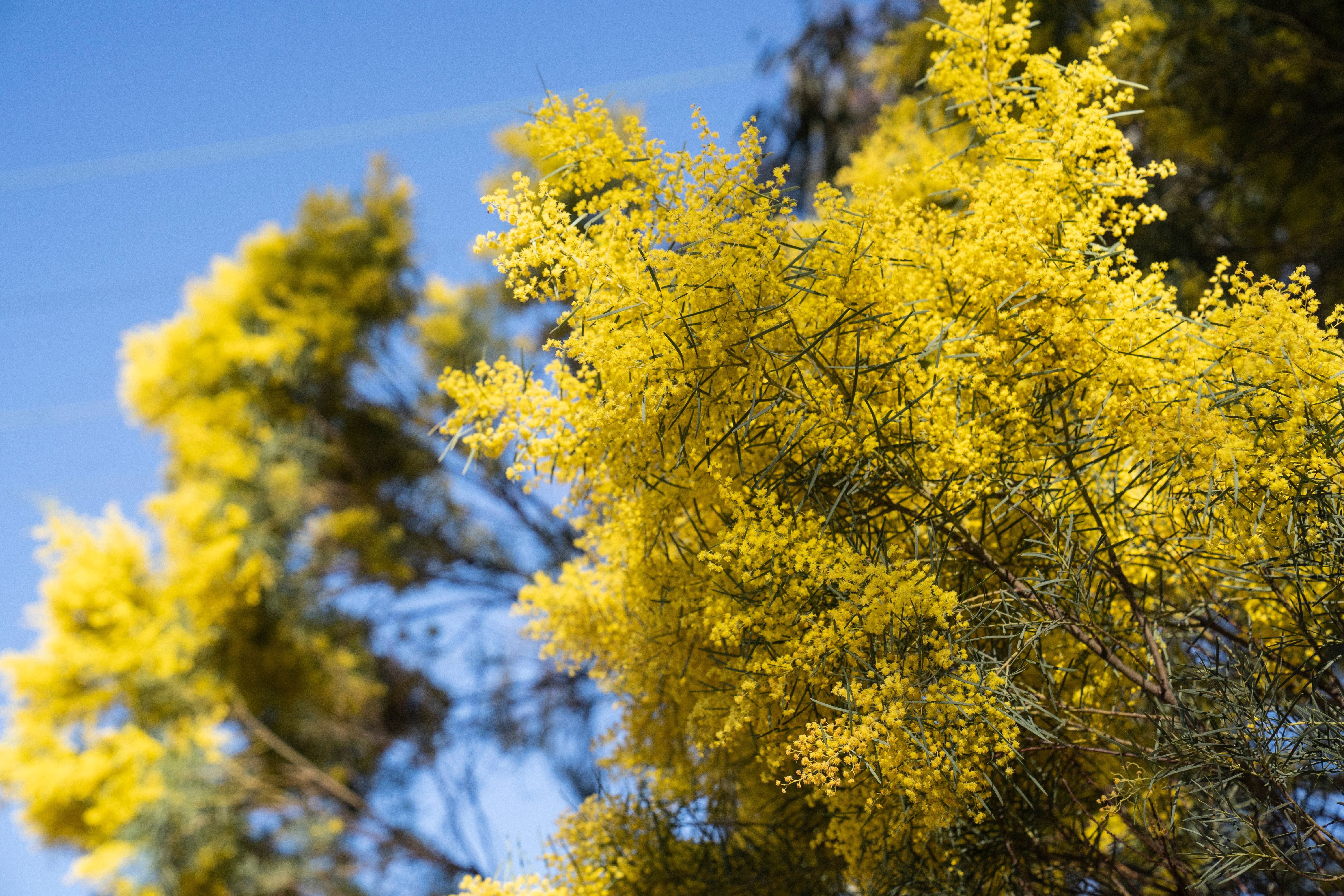
6. Australia – Golden Wattle
Source: pexels
Golden Wattle (Acacia pycnantha) is closely linked with Australian identity. Its bright yellow flowers and green foliage represent the country’s distinctive natural landscape.
National Wattle Day is observed on 1 September, making the plant an important part of Australian national culture.
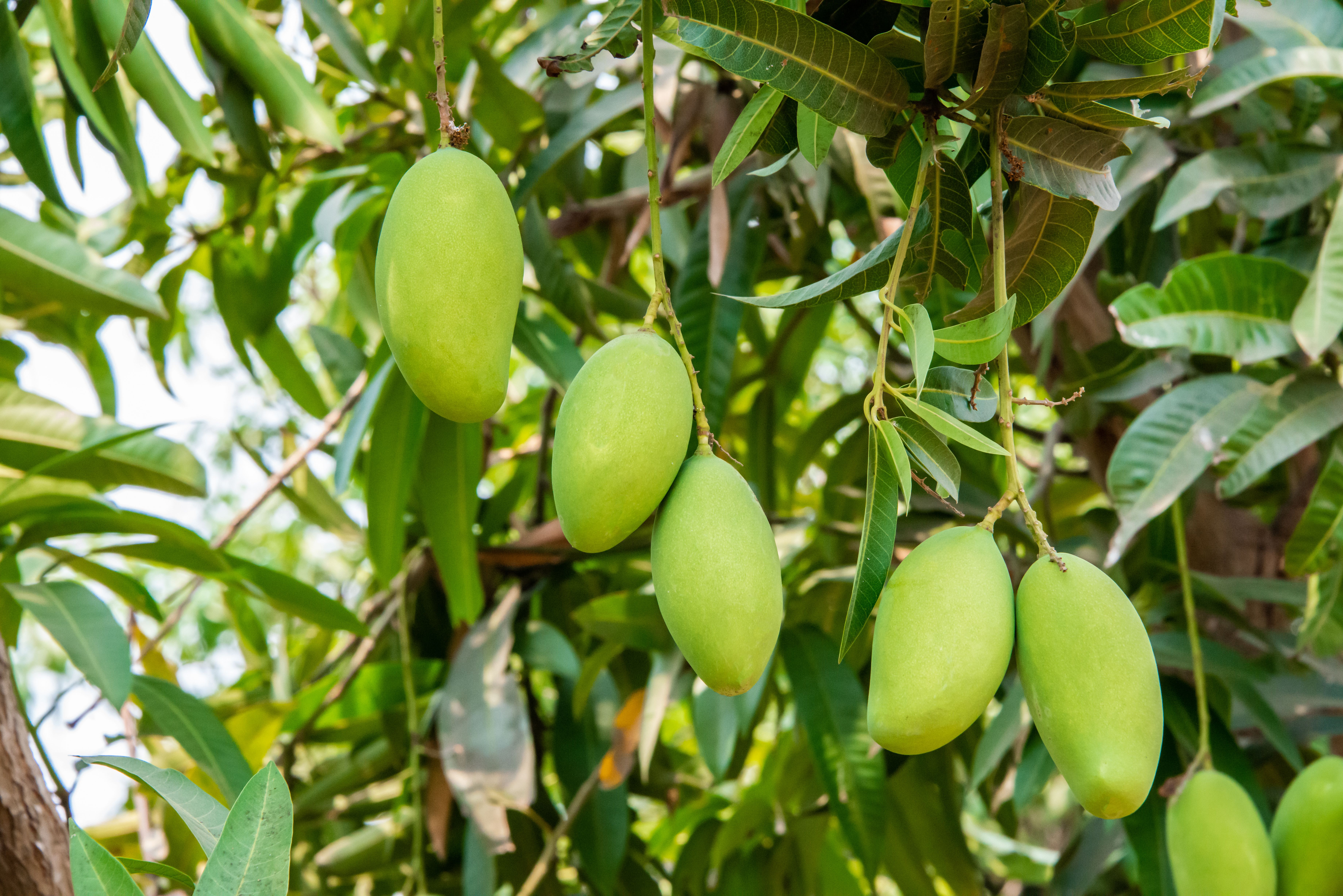
7. Bangladesh – Mango Tree
Source: pexels
The mango tree (Mangifera indica) holds a special place in Bangladesh’s cultural and agricultural heritage.
Mangoes are deeply connected with Bengali food traditions, summer seasons and family gatherings. The tree also represents the importance of agriculture in everyday life.
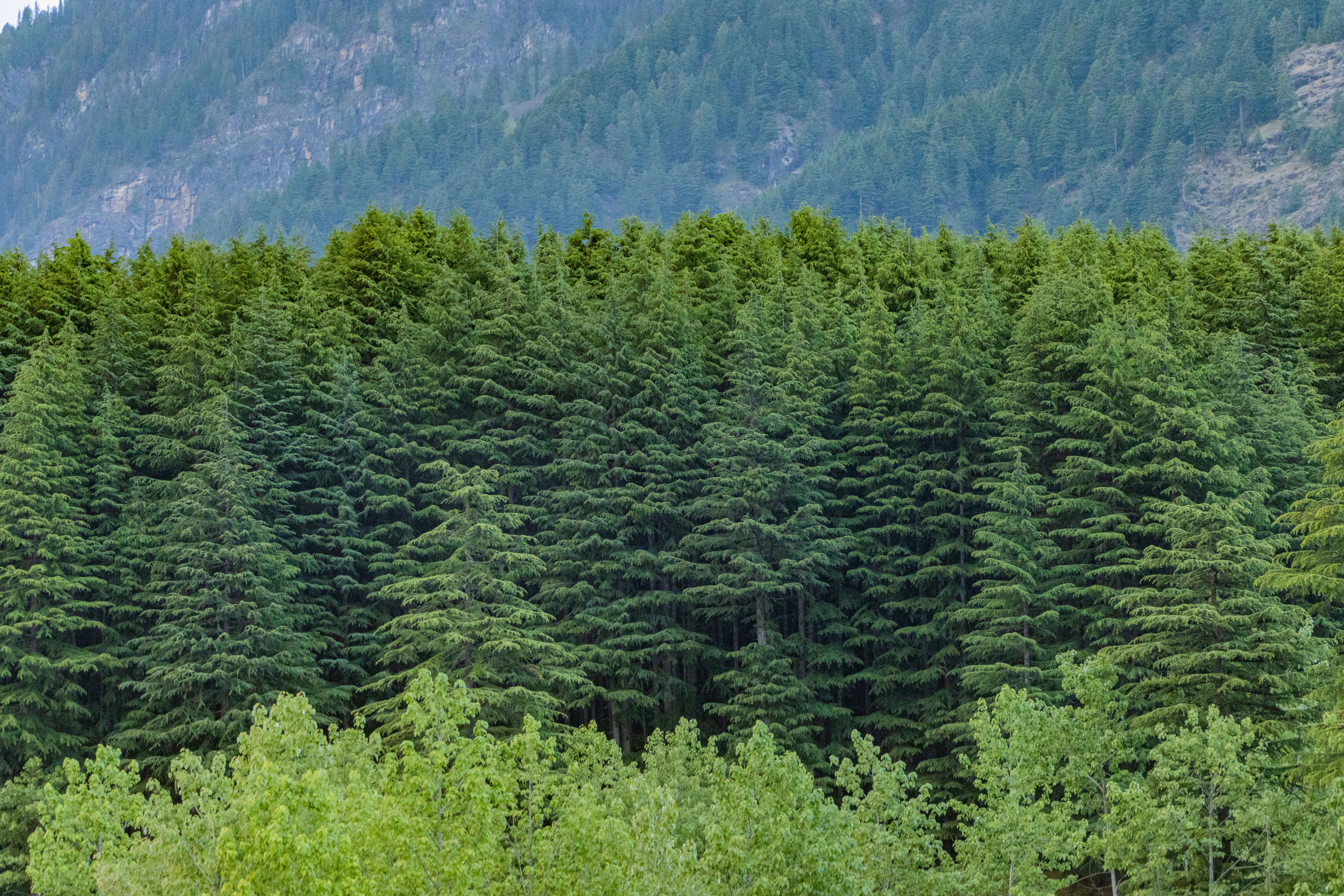
8. Pakistan – Deodar Cedar
Source: pexels
The Deodar (Cedrus deodara) is native to the Himalayan region and is known for its impressive height and graceful form.
Its name is linked with the Sanskrit term devadaru, commonly interpreted as “wood of the gods”, giving the tree strong cultural significance.
9. Sri Lanka – Ceylon Ironwood

Source: wikimedia
The Ceylon Ironwood (Mesua ferrea), known locally as Na, is native to Sri Lanka and has deep indigenous significance.
Its dense, durable wood and distinctive flowers make it botanically fascinating, while its cultural associations have helped establish its national importance.
10. Mexico – Ahuehuete
Source: pexels
The Ahuehuete (Taxodium mucronatum) is famous for its impressive age and enormous size.
Ancient ahuehuete trees are closely linked with Mexican history. One famous example, the Árbol del Tule, is renowned for its enormous trunk and has become a major natural landmark.
11. Brazil – Pau-Brasil

Source: wikimedia
Pau-Brasil (Paubrasilia echinata) has one of the most fascinating national-tree stories.
The tree was historically valued for its red dye-producing wood. Its Portuguese name, pau-brasil, gave Brazil its name.
Interesting fact: The species is now threatened, making conservation efforts especially important.
12. Madagascar – Baobab

Source: wikimedia
Baobabs are among the world’s most recognisable trees, thanks to their enormous trunks and unusual silhouettes.
Several baobab species are native to Madagascar, where they have adapted to seasonal dry conditions and become closely associated with the island’s landscape and cultural heritage.
13. South Korea – Korean Pine

Source: wikimedia
The Korean pine (Pinus koraiensis) has long been valued in Korean culture and landscapes.
Its wood, seeds and evergreen character have contributed to its traditional importance. Its presence across mountain regions also makes it a familiar part of Korea’s natural scenery.
14. New Zealand – Silver Fern

Source: wikimedia
The silver fern (Cyathea dealbata) is one of New Zealand’s best-known national symbols.
Its connection with Māori culture and its distinctive silver-white underside have helped make it an instantly recognisable emblem of New Zealand identity. It is also strongly associated with New Zealand sport.
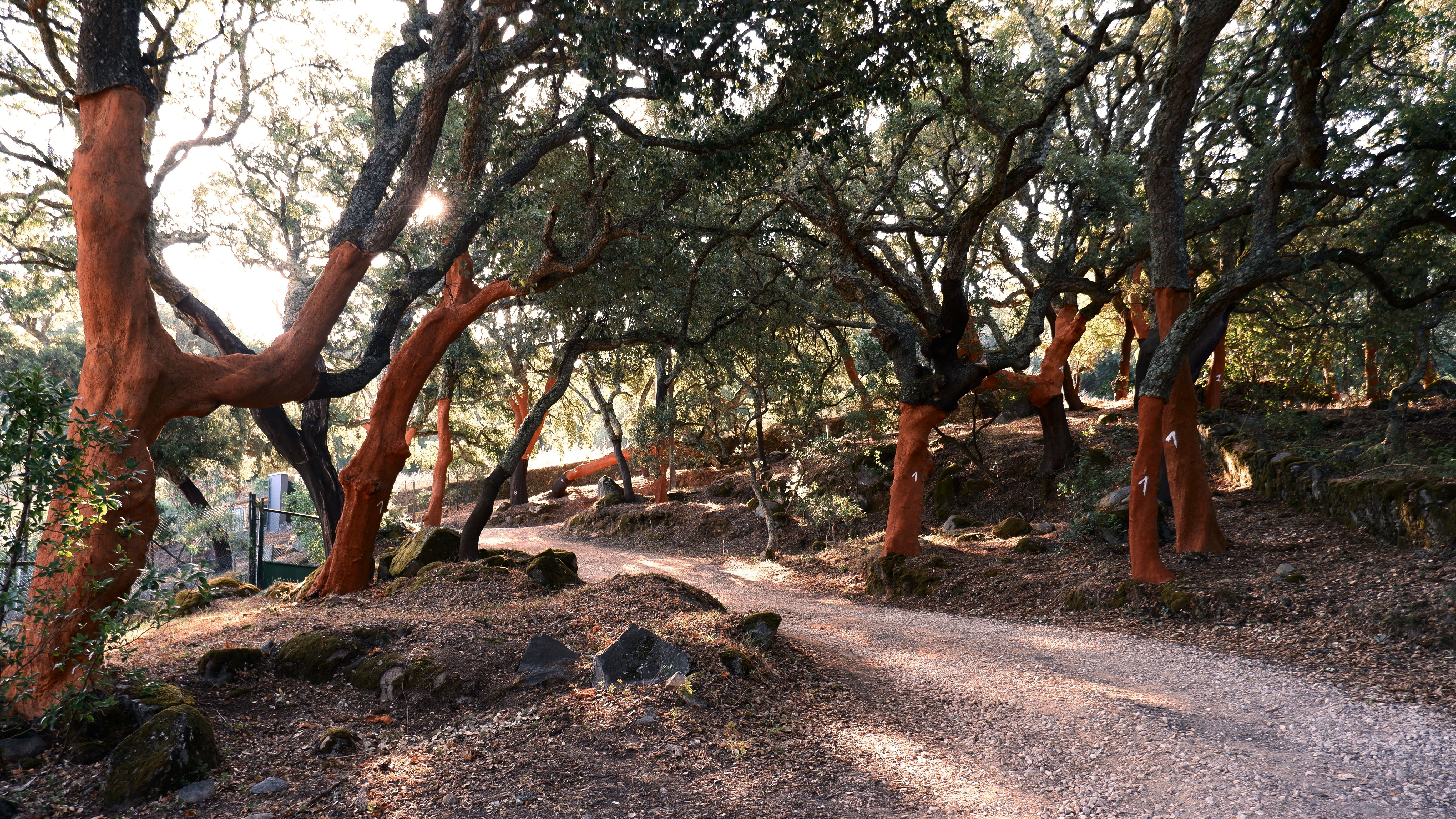
15. Portugal – Cork Oak
Source: pexels
The cork oak (Quercus suber) is deeply important to Portugal’s landscape and economy.
Its bark is harvested to produce cork, which is used in products such as wine bottle stoppers and other goods. The tree also supports biodiversity and contributes to sustainable land use.
The Most Fascinating Stories Behind These National Trees
Some national trees have stories that go well beyond their appearance.
- Brazil: Pau-Brasil played a role in giving the country its name.
- UAE: The Ghaf survives intense desert conditions with remarkable resilience.
- Canada: The maple leaf developed into one of the country’s strongest national symbols.
- Lebanon: The Cedar carries an ancient legacy stretching across centuries of history.
- Madagascar: Baobabs have developed extraordinary forms suited to their environment.
Conclusion
National trees are living symbols of identity. They can represent resilience, history, culture, biodiversity and the landscapes people call home.
Looking at the national tree name of each country reveals a fascinating connection between people and nature. Some trees are linked to ancient stories, some support local economies, while others simply capture the character of a nation’s landscape.
Frequently Asked Questions
Q1. Why do countries have national trees?
National trees provide a living symbol of a country’s history, culture, landscape, biodiversity or national identity.
Q2. Are national trees always native to the country?
Not always. A national tree may be officially recognised for its cultural or historical significance, even when its origins are not entirely limited to that country.
Q3. How are national trees selected?
Selection can involve government recognition, public interest, historical associations, cultural importance or ecological value.
Q4. What is the oldest national tree in the world?
There is no single universally accepted answer because countries recognise trees in different ways, and the age of individual trees varies significantly.
Q5. Why are trees important symbols of national identity?
Trees can represent a country’s natural environment while carrying stories connected to culture, history, traditions and community life.
Q6. Can a country have more than one officially recognised national tree?
Yes. National plant symbols can vary by region or designation, and some countries recognise multiple important tree species or plant emblems.
Explore Our Plant Collections
Air Purifying Plants | Money Plant | Bonsai Plants | Desktop and Office Plants | Flowering Plants | Good Luck Plants | Jade Plants | Money Plants


