
There is something almost magical about sweets. A celebration can have music, decorations, flowers and a guest list that looks suspiciously like the entire family tree, but bring out a box of mithai and suddenly everyone knows exactly where to gather.
Across cultures, sweets have become much more than something delicious to eat. They represent happiness, prosperity, love, hospitality and togetherness. A box of treats can mark a new beginning, welcome a guest, honour a festival or simply say, “I was thinking of you.”
The flavours may differ, but the sentiment remains surprisingly universal. Let’s explore why sweets have earned such a special place at celebrations around the world.
Why Do We Eat Sweets During Celebrations?
Source: pexels
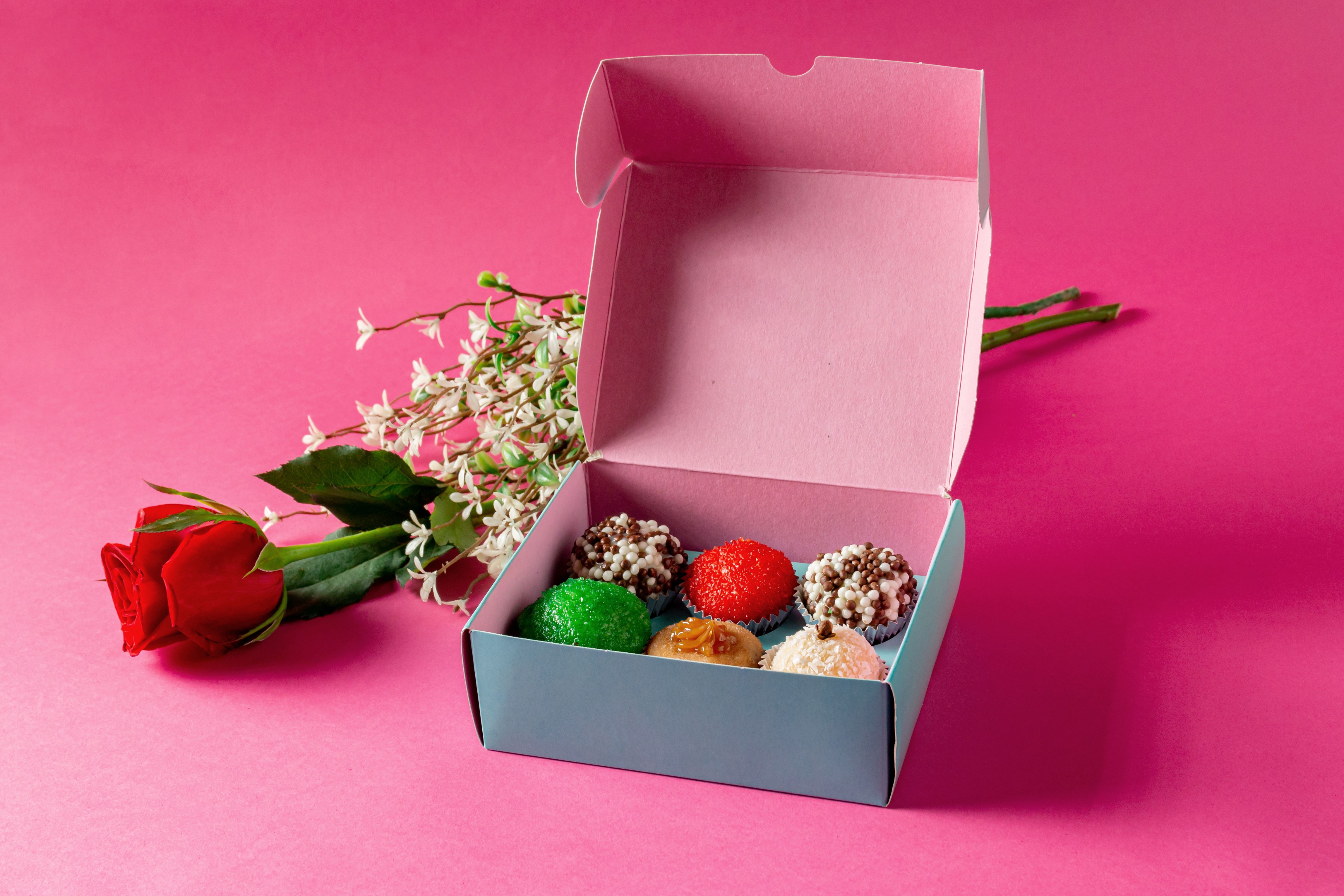
Sweet treats do more than satisfy a sweet tooth; they carry emotions, traditions and good wishes.
- They represent happiness: Sweet flavours are naturally associated with joyful moments and festive occasions.
- They spread good fortune: Many cultures associate sweets with prosperity, abundance and positive beginnings.
- They encourage sharing: A box of sweets rarely stays with one person for long. Sharing turns a simple treat into a collective experience.
- They preserve traditions: Family recipes and regional specialities often appear during important festivals and milestones.
- They express hospitality: Offering something sweet is a warm way to welcome guests and make them feel at home.
This tradition also explains why sweet hampers remain popular choices for festive occasions. In Dubai, this custom takes on an especially diverse character, with influences spanning cultures and cuisines. Exploring Sweets in Dubai reveals an exciting mix of familiar favourites and regional specialities.
10 Celebrations Where Sweets Play a Special Role
Source: pexels
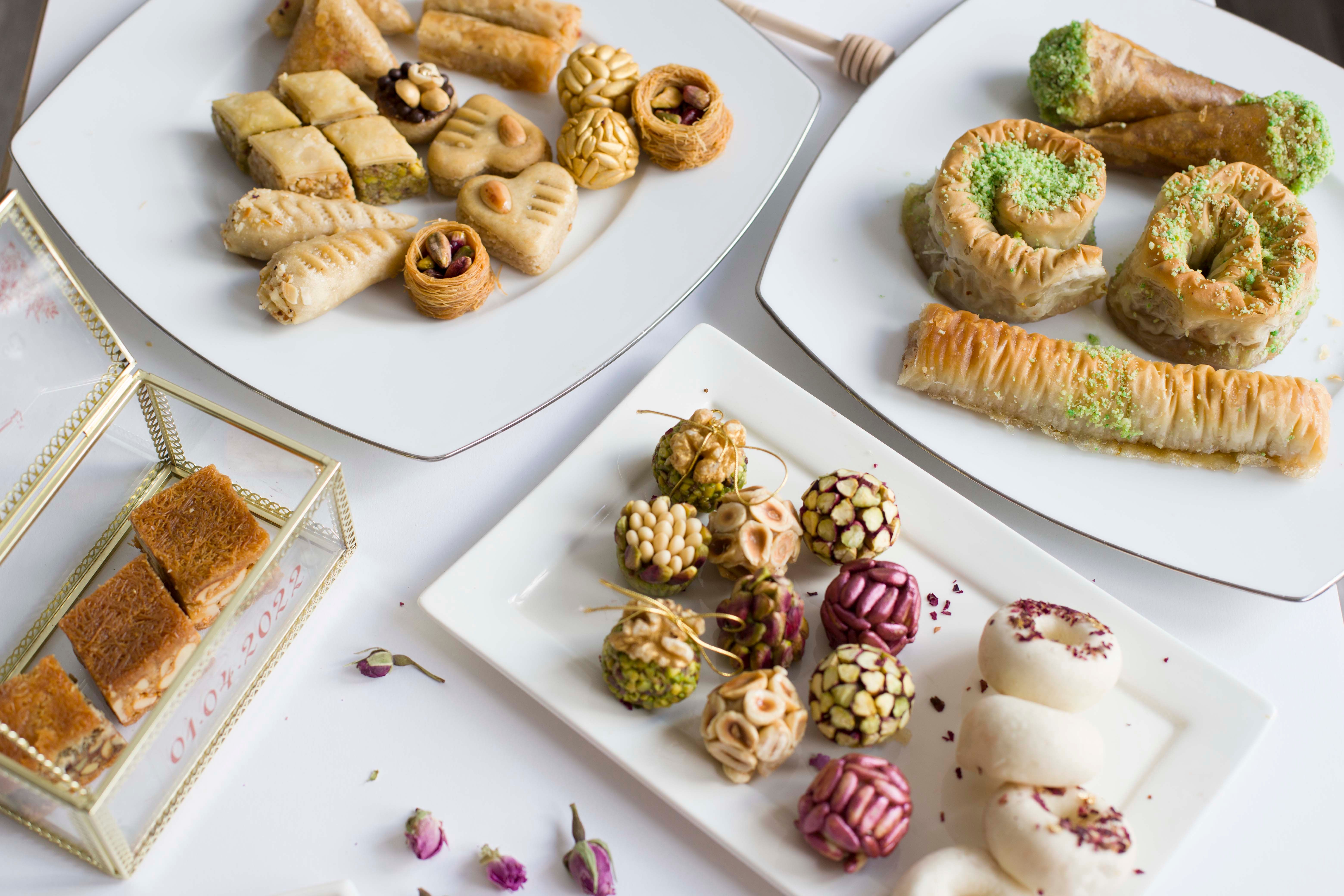
Look closely at major celebrations around the world and you will often find a sweet treat at the heart of the gathering.
1. Diwali in India
Diwali and mithai have practically become a package deal.
Mithai is exchanged with family, friends, neighbours and colleagues during Diwali. Sweets such as laddoos, barfi and gulab jamun represent happiness, prosperity and goodwill, making them an essential part of festive gifting.
2. Eid Celebrations
Eid tables often become a delicious showcase of hospitality and sharing.
Sweets play an important role in Eid celebrations, with families preparing and sharing treats during festive gatherings. Dates, baklava, maamoul and other regional specialities are enjoyed and gifted across different communities. Arabic Sweets also bring together rich culinary traditions shaped by local ingredients and family recipes.
3. Lunar New Year
During Lunar New Year, sweet treats can carry wishes for prosperity and good fortune.
Traditional sweets and confectionery are enjoyed across several East Asian communities during New Year celebrations. Their flavours, shapes and ingredients can carry symbolic meanings linked to happiness, abundance and a prosperous year ahead.
4. Christmas
Christmas has its own delicious language, and it usually involves cookies, cakes and chocolate.
Christmas celebrations across many countries feature festive desserts such as fruit cakes, gingerbread, chocolates, puddings and cookies. Baking and sharing these treats also creates opportunities for families to spend time together.
5. Thanksgiving
Thanksgiving may be centred around a grand feast, but dessert usually gets its own moment.
In the United States, pies are closely associated with Thanksgiving gatherings. Pumpkin, pecan and apple pies often make an appearance alongside other family favourites, adding a sweet finish to a meal built around gratitude and togetherness.
6. Navroz
Navroz brings families together around festive meals, traditional recipes and plenty of sweet treats.
Persian communities celebrate Navroz with food that reflects renewal and new beginnings. Sweet dishes and festive treats form part of gatherings where families reconnect and welcome the arrival of a new year.
7. Día de los Muertos
Food becomes a beautiful way to honour memories and family during Día de los Muertos.
In Mexico, traditional foods and sweets form part of Día de los Muertos observances. Pan de muerto is particularly associated with the occasion, while other treats may be prepared as offerings and shared among families.
8. Raksha Bandhan
Rakhi celebrations rarely end with the thread alone. Sweets usually seal the deal.
Siblings exchange gifts and share sweets as part of Raksha Bandhan traditions in India. Mithai adds another layer of warmth to the occasion, turning the exchange into a shared family moment.
9. Japanese New Year
Japanese New Year celebrations feature traditional foods that connect present-day gatherings with cultural heritage.
Traditional Japanese sweets such as wagashi can be enjoyed during New Year festivities. Their delicate presentation and seasonal associations make them an important part of Japan’s rich food culture.
10. Weddings
At weddings, sweets often get a starring role alongside the couple.
Wedding celebrations across cultures feature cakes, mithai, chocolates and ceremonial desserts. Sharing something sweet can symbolise happiness, affection and hopes for a joyful life together.
What Do Sweets Symbolise?
Source: pexels
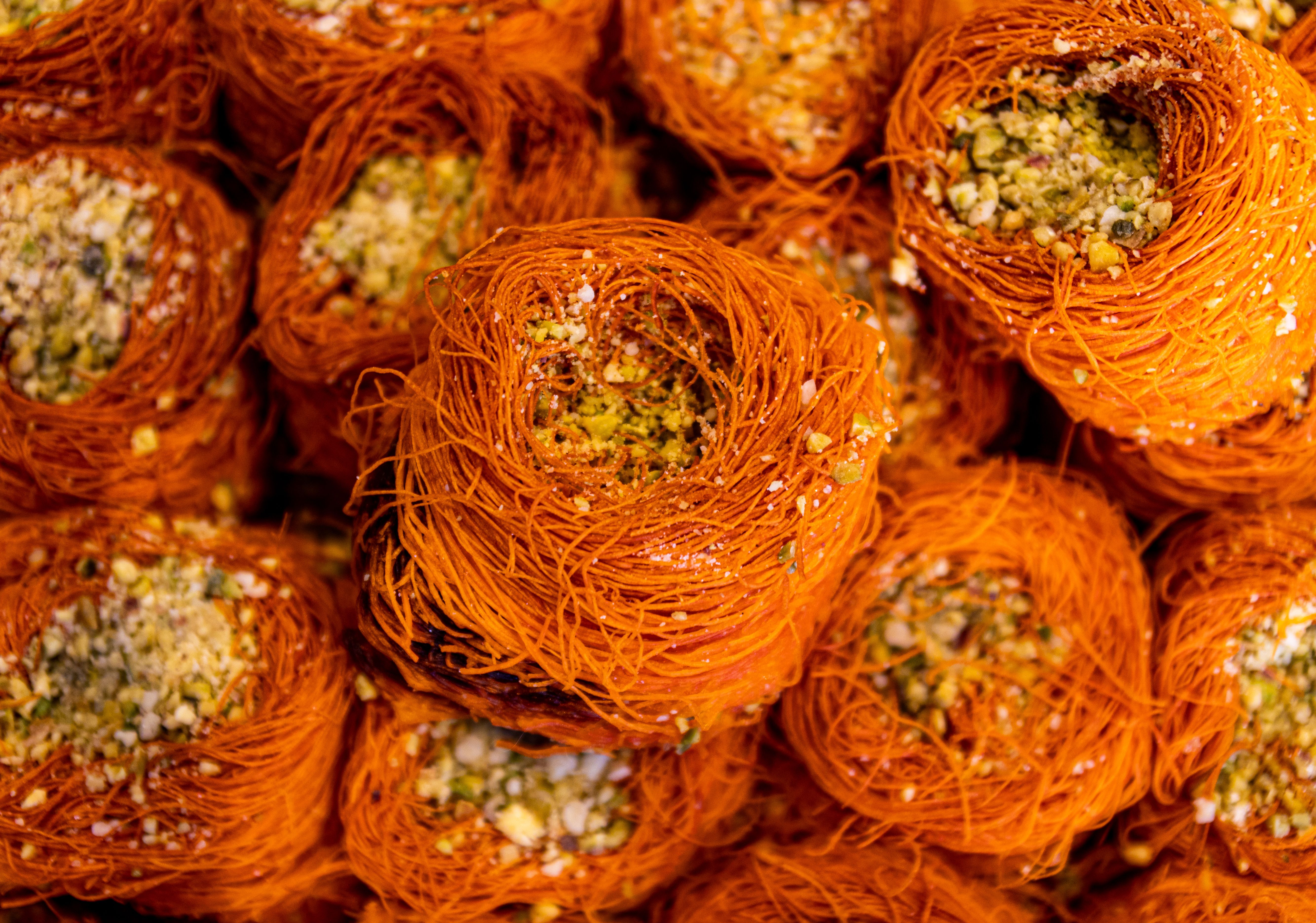
Behind every sweet treat can be a small message waiting to be shared.
- Happiness and celebration: Sweet flavours add a joyful note to special occasions.
- Prosperity and good fortune: Many traditional sweets are linked with abundance and positive wishes.
- Love and affection: Sweet presents can communicate care without needing a lengthy message.
- Hospitality and generosity: Offering sweets is a simple way to make guests feel welcome.
- New beginnings: Sweet treats often accompany weddings, festivals, birthdays and other milestones.
How Do Sweets Bring People Together?
The real magic often happens when the box is opened and everyone reaches for a favourite.
Sweets encourage people to share, talk and create memories around food. A grandmother’s recipe can travel across generations, while a familiar mithai can instantly remind someone of childhood celebrations.
Gifting also gives sweets another emotional dimension. A thoughtfully packed sweet gift can turn a simple gesture into a sweet surprise, especially when it arrives unexpectedly.
Modern sweet hampers may feature contemporary flavours, creative packaging and personalised touches, but the underlying gesture remains wonderfully simple: share something delicious and make someone happy.
Conclusion
Sweets have travelled across generations, borders and cultures, yet their role remains remarkably consistent. They welcome guests, mark milestones, express affection and add a little more joy to already happy occasions.
A box of mithai during Diwali, a festive dessert at Christmas, a sweet treat during Eid or a wedding cake shared with loved ones may look completely different, but each carries the same beautiful idea: good moments become even better when they are shared.
So, the next time someone offers you a sweet during a celebration, go ahead and take one. Tradition clearly approves.
FAQs (Frequently Asked Questions)
Q1. Why are sweets associated with celebrations?
Sweets are commonly linked with happiness, prosperity, hospitality and positive beginnings. Sharing them also brings people together during important occasions.
Q2. Why do people gift sweets during festivals?
Sweets are an easy way to express good wishes, affection and generosity. They also carry cultural significance during many festivals.
Q3. What do sweets symbolise during celebrations?
Sweets can symbolise happiness, prosperity, love, hospitality, generosity and new beginnings.
Q4. Which countries are famous for celebratory sweets?
India, Mexico, Japan, China, Iran and many Middle Eastern countries have rich traditions involving festive sweets and desserts.
Q5. What sweets are commonly gifted during celebrations?
Popular choices include mithai, chocolates, baklava, cookies, traditional pastries, cakes and regional speciality sweets.
Q6. How have traditional sweets evolved over time?
Traditional sweets continue to adapt through new flavours, ingredients, presentation styles and packaging while retaining their cultural significance.
Explore More
Chocolates | Dark Chocolates | Milk Chocolates | Food Gifts | Cheese Boxes | Premium Dates Box