

Chocolate is having a bit of a renaissance.
It is no longer simply about choosing between milk, dark or white chocolate. Today, chocolate lovers want to know where the cacao came from, how it was processed and what makes one bar different from another. This curiosity has helped put bean to bar chocolate in the spotlight.
But what is bean to bar chocolate exactly? Simply put, it is chocolate made by taking cacao beans through the chocolate-making process, giving makers greater control over the journey right through to the finished bar. It is a craft-focused approach built around flavour, quality and transparency.
What Is Bean-to-Bar Chocolate?
Bean-to-bar chocolate is made by transforming cacao beans through stages such as roasting, cracking, winnowing, grinding, conching, tempering and moulding.
The key difference is control. Instead of working with pre-made chocolate, bean-to-bar makers are involved in transforming raw cacao. This allows them to influence the flavour, texture and character of the finished product.
The origin of the cacao also matters. Beans grown in Madagascar, for example, may have fruity notes, while cacao from another region could offer earthy, nutty or caramel-like flavours. Much like coffee, cacao reflects where and how it is grown.
The Origins of the Bean-to-Bar Chocolate Movement
The rise of bean to bar chocolate is part of a wider shift towards artisanal food.
As consumers became more interested in speciality coffee, artisan bread and locally sourced products, they also started asking questions about chocolate. Where was the cacao grown? Who produced it? How was it processed?
Small chocolate makers responded by producing limited batches and experimenting with cacao origins, roasting techniques and recipes. Instead of focusing only on consistency and scale, they began highlighting the natural characteristics of cacao.
Growing interest in ethical sourcing and transparency further strengthened the movement. For many consumers, the story behind a product is now almost as important as the product itself.
How Is Bean-to-Bar Chocolate Made?
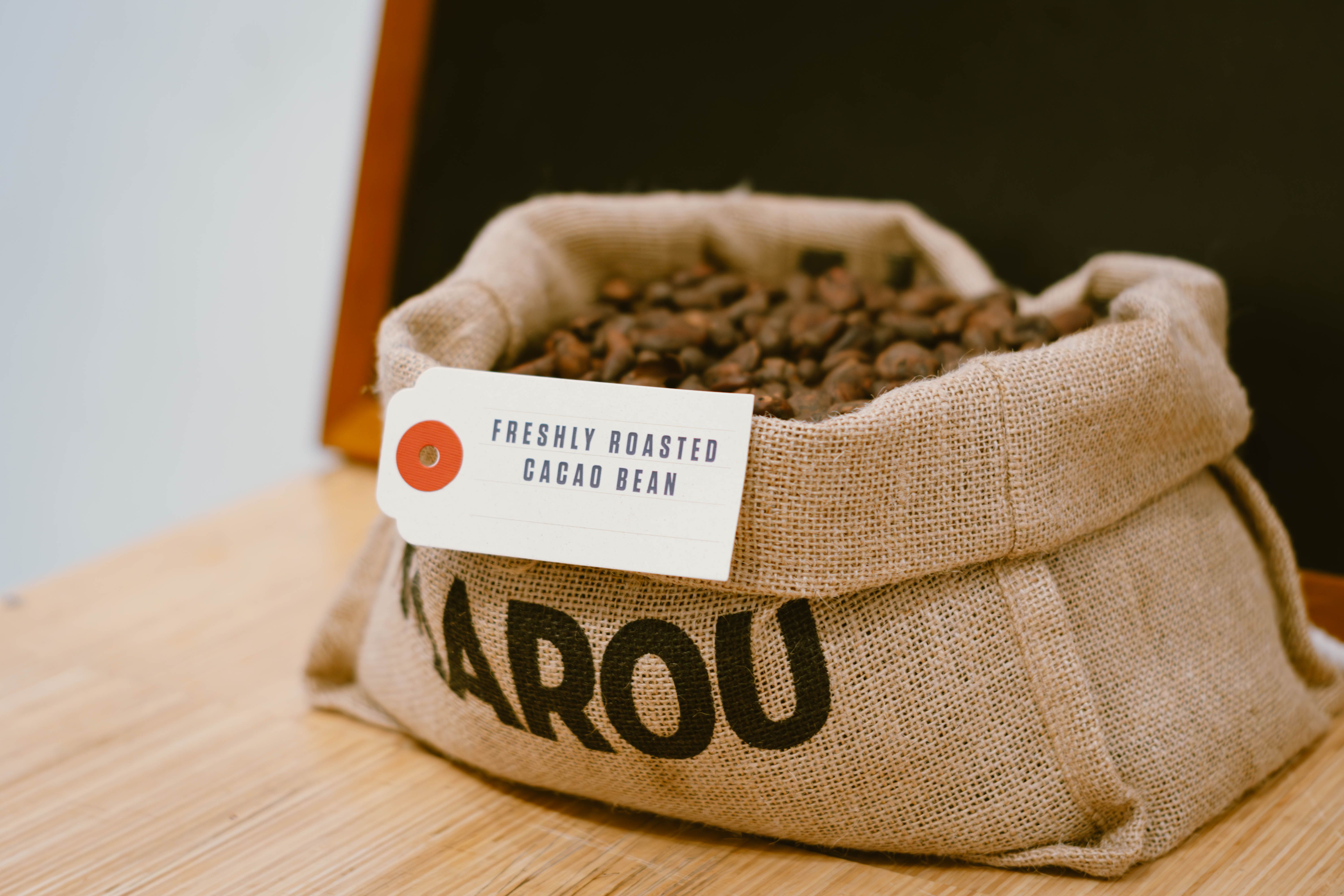
source: pexels
Sourcing High-Quality Cacao Beans
The process begins with cacao beans sourced from a country, region, farm or cooperative. Some makers use single-origin cacao, while others blend beans from different locations.
Climate, soil and farming practices can influence the flavour, making the origin an important part of the chocolate-making process.
Fermentation and Drying
After harvesting, cacao beans are fermented, helping develop the compounds responsible for chocolate’s flavour and aroma. They are then dried to reduce moisture and prepare them for storage and transport.
Roasting
Roasting develops the beans’ aroma and flavour. A lighter roast may preserve fruity or floral notes, while a deeper roast can create richer, nuttier or caramelised flavours.
Cracking and Winnowing
The roasted beans are cracked and their outer shells removed through winnowing, leaving cacao nibs behind.
Grinding and Conching
The nibs are ground into a smooth chocolate mass, with sugar and other ingredients added according to the recipe. Conching then helps refine the texture and mellow stronger flavours.
Tempering and Moulding
Tempering controls the crystallisation of cocoa butter, giving chocolate its glossy appearance, firm texture and characteristic snap. The chocolate is then moulded, cooled and packaged.
What Makes Bean-to-Bar Chocolate Different?
Several qualities make craft chocolate distinctive:
- Greater control Over Quality: Makers can influence multiple production stages.
- Distinctive flavours: Cacao origins and roasting techniques create different tasting notes.
- Small-batch production: Smaller quantities allow closer attention to individual batches.
- Traceability: Many makers share information about cacao origins and sourcing.
- Responsible sourcing: Craft makers often emphasise ethical and sustainable practices, although this varies between brands.
The result is chocolate that encourages consumers to appreciate the journey behind the bar.
Bean-to-Bar vs Commercial Chocolate

source: AI Generated
This does not mean commercial chocolate is inferior. It offers consistency, accessibility and familiar flavours. The main difference is the production approach and the attention given to cacao.
Why Craft Chocolate Is Becoming a Global Trend
Consumers are increasingly drawn to products with a story. Speciality coffee, artisan cheese and small-batch foods have all benefited from this shift, and chocolate fits naturally into the same premium food culture.
There is also greater interest in responsible consumption. People want to understand sourcing, support smaller makers and discover products with a clearer story.
Chocolate has also become a popular gifting choice. A beautifully made bar can feel more personal when it has an interesting origin and story behind it. For those exploring premium treats and thoughtful gifts, Chocolates in Dubai can offer a convenient way to discover different styles and flavours.
How to Choose a Good Bean-to-Bar Chocolate Bar

source: unsplash
You do not need to be a chocolate expert to make a good choice.
Read the Ingredient List
Check what goes into the chocolate. A simple ingredient list can offer useful insight into the product.
Look for Origin Information
Check whether the packaging mentions the country, region, farm or cooperative. This can tell you more about the cacao used.
Check the Cacao Percentage
A higher cacao percentage often means a more intense and less sweet flavour, although it does not automatically mean better chocolate.
If you enjoy bold, rich flavours, Dark Chocolate can be a good way to experience more pronounced cacao characteristics.
Explore Different Makers and Regions
Try bars made with cacao from different regions and compare their flavours. You may find that you prefer fruity, floral, nutty or earthy notes.
Is Bean-to-Bar Chocolate Worth the Price?
Craft chocolate can cost more because of carefully sourced cacao, smaller production volumes, specialised equipment and detailed processing. Responsible sourcing can also influence the price.
However, the value is not simply about quantity. It is about craftsmanship and experience.
For someone who enjoys discovering flavours and appreciates how a product is made, the additional cost can be worthwhile.
The Future of the Craft Chocolate Movement
The craft chocolate industry continues to evolve. Makers are experimenting with fermentation, roasting, cacao varieties and unexpected flavour combinations.
Direct relationships between chocolate makers and cacao producers are also becoming increasingly important, while consumers are becoming more interested in understanding where their food comes from.
As awareness grows, chocolate may become less about simply choosing milk or dark and more about exploring origin, flavour and craftsmanship.
Conclusion
Bean-to-bar chocolate is ultimately about appreciating the journey behind every bite.
The origin of the cacao, fermentation, roasting, grinding and careful production all contribute to the final experience. While bean-to-bar does not automatically make every chocolate bar better, it brings the craft behind chocolate into focus.
Perhaps that is why the movement continues to grow. In a world where everything is becoming faster and more convenient, craft chocolate gives us a reason to slow down, taste carefully and appreciate the story behind the bar.
FAQs
Q1. What does bean-to-bar chocolate mean?
Bean-to-bar chocolate is made by transforming cacao beans into chocolate while overseeing stages such as roasting, grinding, conching and tempering.
Q2. How is bean-to-bar chocolate different from regular chocolate?
It generally places greater emphasis on cacao origin, craftsmanship, flavour and traceability, while commercial chocolate is usually produced on a larger scale.
Q3. Why is bean-to-bar chocolate more expensive?
Small-batch production, carefully sourced cacao, specialised equipment and detailed processing can increase its cost.
Q4. Is bean-to-bar chocolate healthier than commercial chocolate?
Not necessarily. Its nutritional profile depends on ingredients such as cacao, sugar and milk. Individual products vary.
Q5. What is single-origin bean-to-bar chocolate?
It is chocolate made using cacao sourced from a particular geographical location, such as a country, region, farm or cooperative.
Q6. What should I look for when buying craft chocolate?
Check the ingredients, cacao percentage and origin information. Trying chocolate from different makers and regions can also help you discover your preferred flavours.
Explore Our Premium Chocolate Collection
Milk Chocolate | Godiva Chocolate | Neuhaus Chocolates | Cadbury Chocolate | Personalised Chocolates | Chocolate Bouquets


